6.14.2005

The Softer Side

The swamp isn't just about biting flies and slithery snakes. It has its softer side.

So, in the interest of balance, I bring you a butterfly and a bunny. How sweet is that? :)


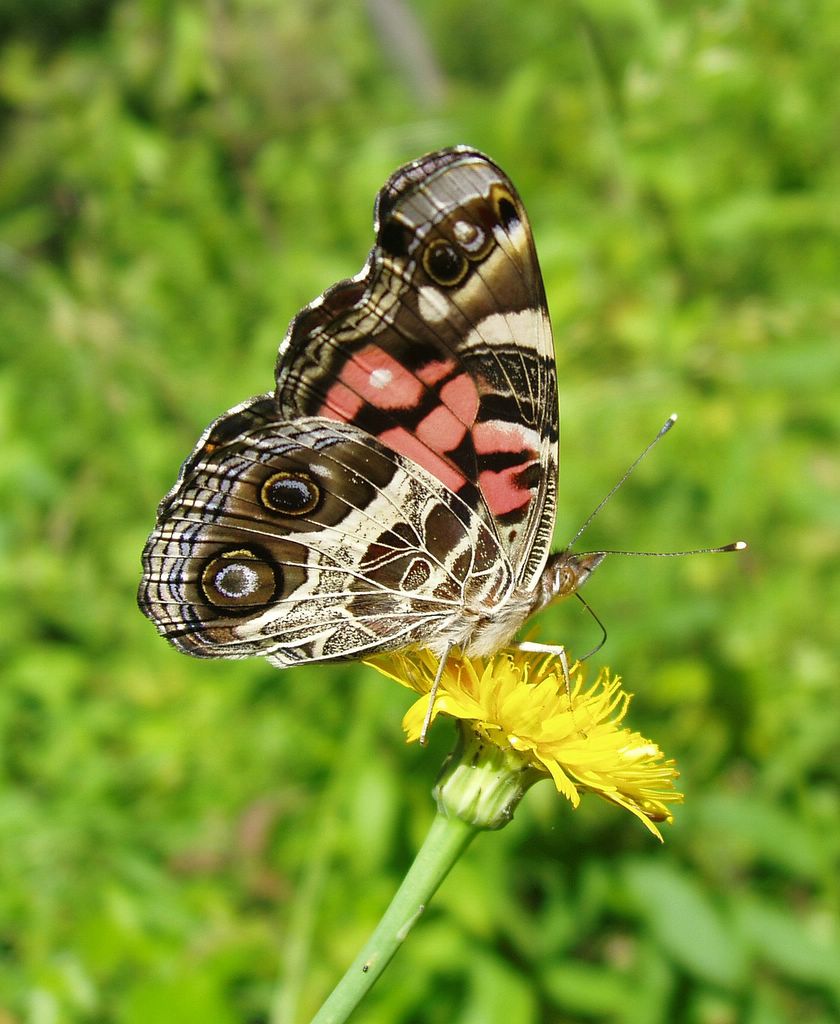
American Lady (Vanessa virginiensis), nectaring on Cat's-ear (Hypochoeris radicata).


Eastern Cottontail (Sylvilagus floridanus), blending in with the scenery next to the boardwalk.

This particular rabbit looks to be a "teenager" and still has some growing to do. Cottontails in North Carolina average about 3 to 3.5 pounds (roughly 1.4 to 1.6 kg) when fully grown.

6.11.2005

Snake Daze

I realized I hadn't posted any snake pictures in a while. So, with apologies to Keith, here are some photos of some slithery creatures we have seen recently...

(Keith, I'm giving you time to change your mind about scrolling down to the picture...the first one is of a venomous snake...)

(Last chance! I won't be responsible for adverse reactions...)


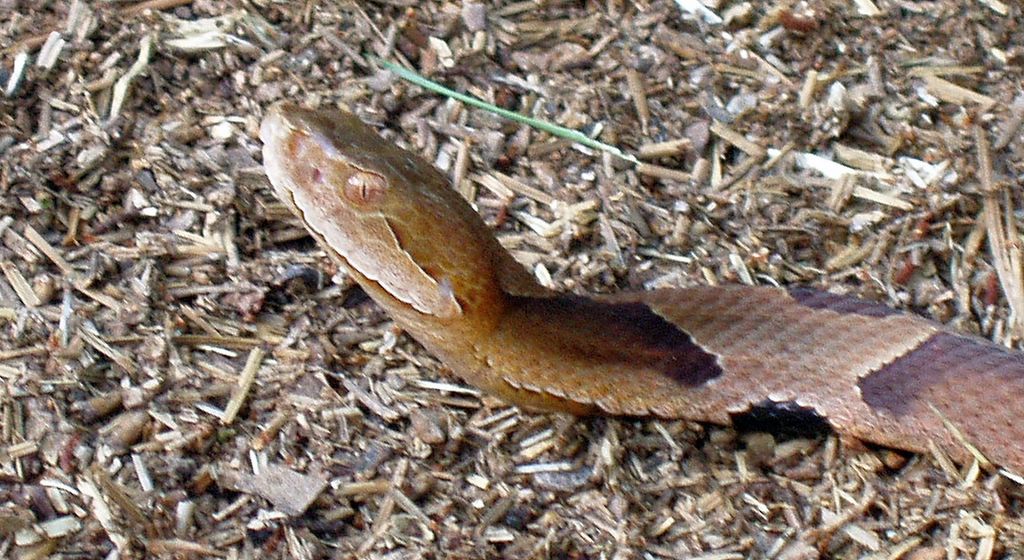
My husband found this very cooperative Copperhead (Agkistrodon contortrix) on the road to his office this morning. He didn't want the snake to get hit and he knew I needed a picture of a copperhead, so he brought it to me for a photo session before he returned it to its home.

(DO NOT handle venomous snakes unless you are trained to do so!!! They can inflict painful bites that can make you quite ill.)


Notice the vertical pupil and the little pit in front of the eye. Cooperheads are our most numerous venomous snake.

I happen to think they are one of our prettiest snakes as well.


This one was a bit dinged-up for some reason. It will look a little better after it sheds.


Another snake we encountered during a recent walk was this Eastern Hognose Snake (Heterodon platyrhinos). Hognose snakes vary greatly in their color patterns. This one was almost completely black.


You can't see it in the picture, but the hognose has a cute little up-turned snout.

When provoked, this snake can put on an elaborate act. Generally it starts with loud hissing and a flattening of the head. If you keep on pestering it, it will usually roll over onto its back, stick out its tongue and pretend to be dead. Despite all of its show, the hognose (a.k.a. "spreading adder" or "blowing viper") rarely even attempts to bite. Toads are one of its favorite foods.

Here is a view of the flattened head. Some of the snake's pattern is visible with the scales spread out.


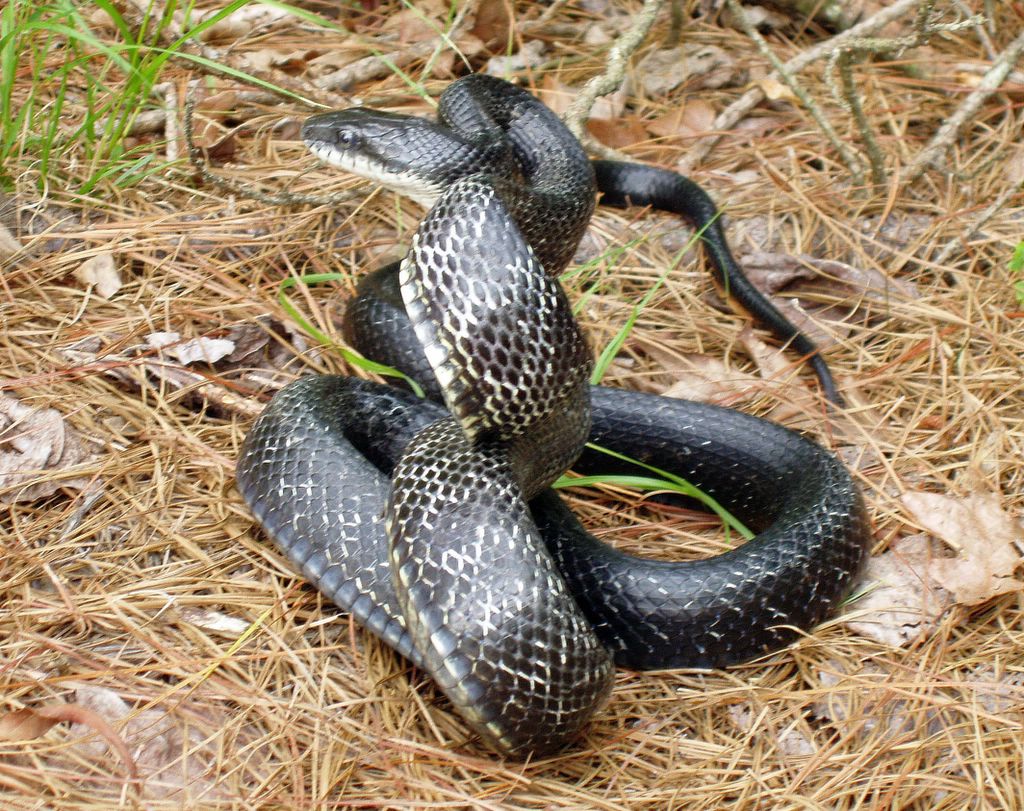
Many snakes put on quite a show when they feel threatened. My dog got this rat snake (Elaphe obsoleta) all riled up one day last week. It was coiling and vibrating its tail against the ground. Very impressive. Rat snakes will strike if you push them too far.

The rat snake is non-venomous and is perhaps our most common snake. They can grow to about 85 inches in length.


Last, but not least, I would like to share a picture of one of my favorite snakes, the black racer (Coluber constrictor). We have quite a few of these snakes around our house. They seem to slide effortlessly through the grass -- often you only get a glimpse of their tails as they race off. But when cornered, they are very aggressive. They will lunge at you and vibrate their tails against the leaves -- a display designed to get you back off. Usually works. Racers are non-venomous.
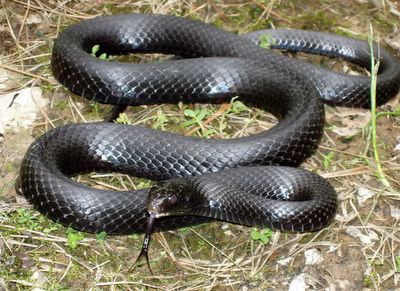


(You still with me, Keith? Yeah, I knew you'd look. Remember, it's exposure therapy. Breathe. Snakes really are such amazing animals...I hope you can one day overcome your aversion to them.)
6.09.2005

Snippets From My Day

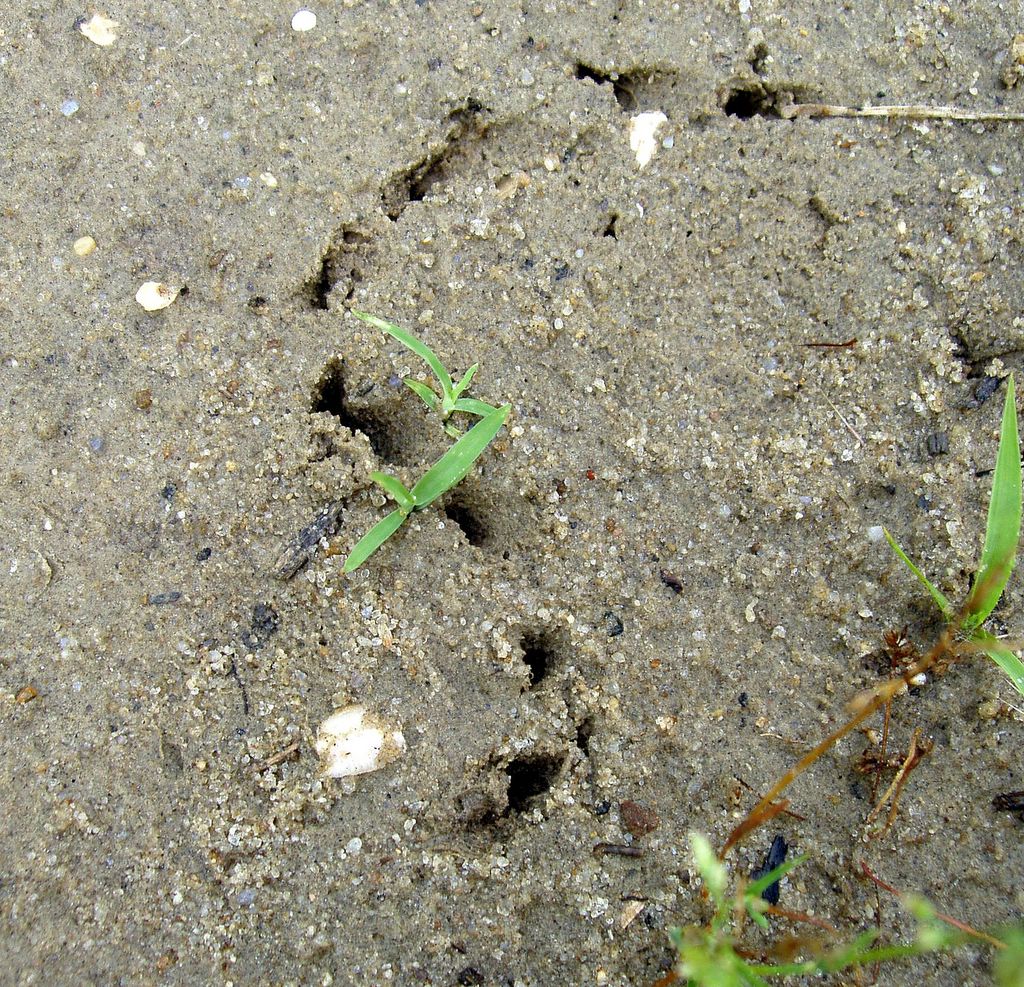
On a sandy road along a ditch we happened upon an interesting set of tracks. No pad imprints, just claw-tips.


They gave evidence that some creature had meandered up and down the road, seemingly at a leisurely pace.

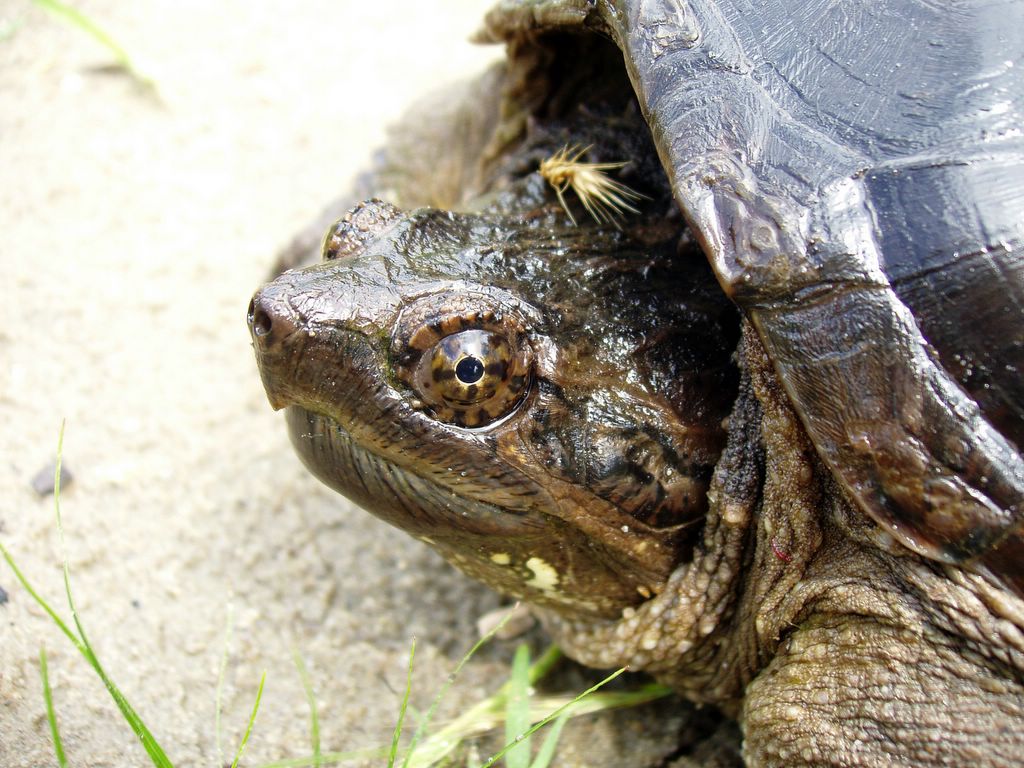
We weren't surprised when we happened upon the track-maker...


...a snapping turtle, Chelydra serpentina.


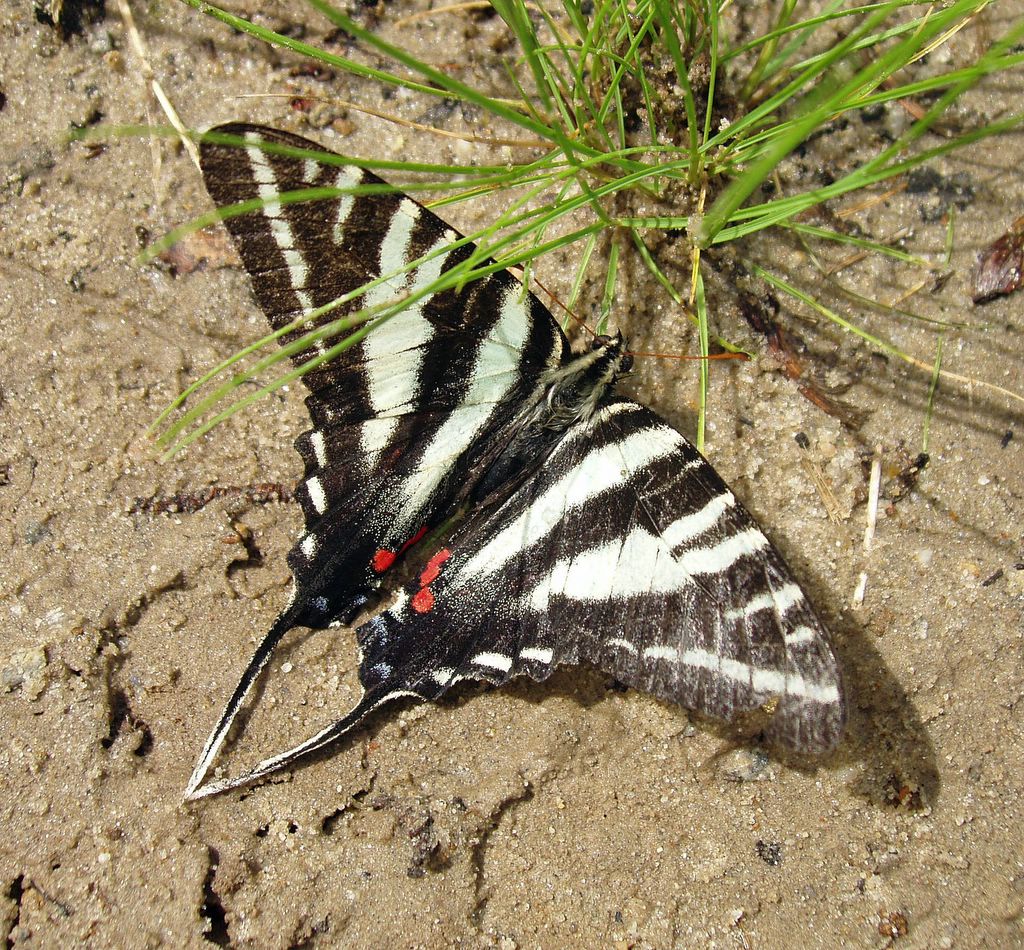
Along the same road we saw hundreds of zebra swallowtail butterflies (Eurytides marcellus).


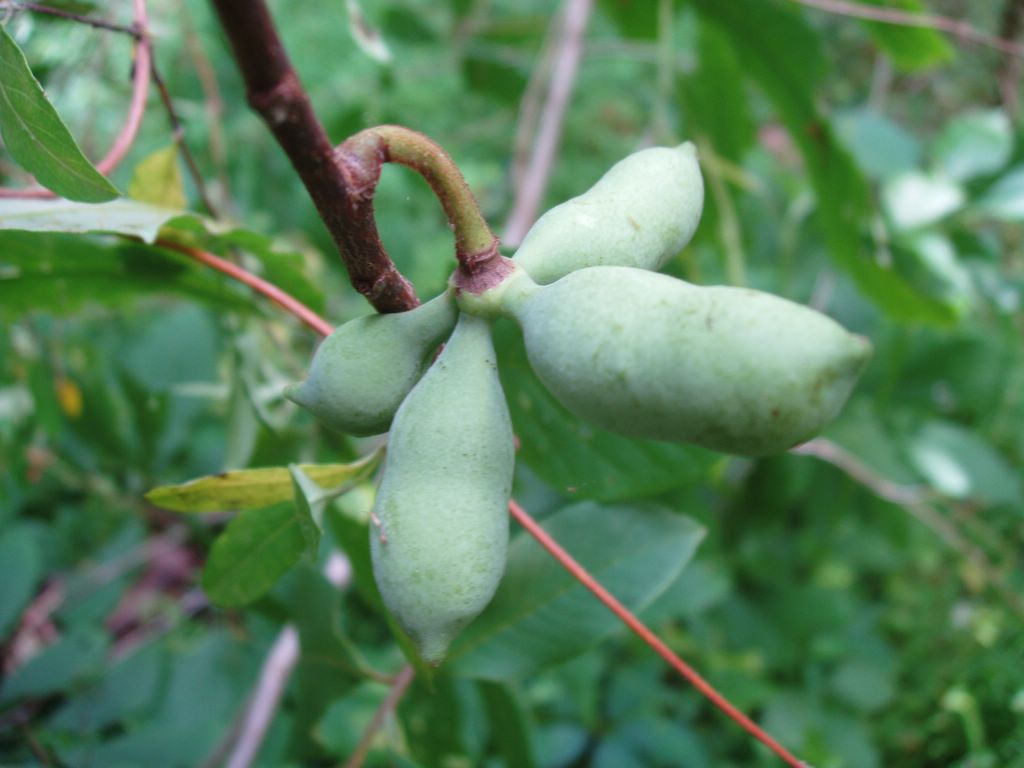
The larvae of the zebra swallowtail feed on the leaves of the pawpaw (Asimina triloba).


Many other animals, including some people, enjoy the fruits of the pawpaw. Perhaps when these ripen, we'll come back, pick 'em up, and put 'em in our basket...

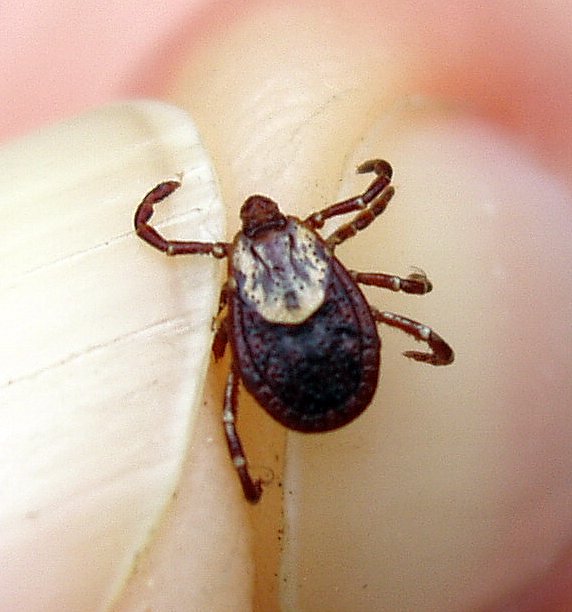
Somewhere along the way today I picked up an univited guest,


a female American Dog Tick (Dermacentor variabilis). Luckily I spotted her before she had time to attach.

6.08.2005

Purple

Summer, it seems, has arrived with a vengence. After being chilly and damp for most of the spring it has become hot (highs in the mid-90s) and humid all of a sudden. To counter all that heat, I opted to pull up a couple of picures in shades of cooling purple.


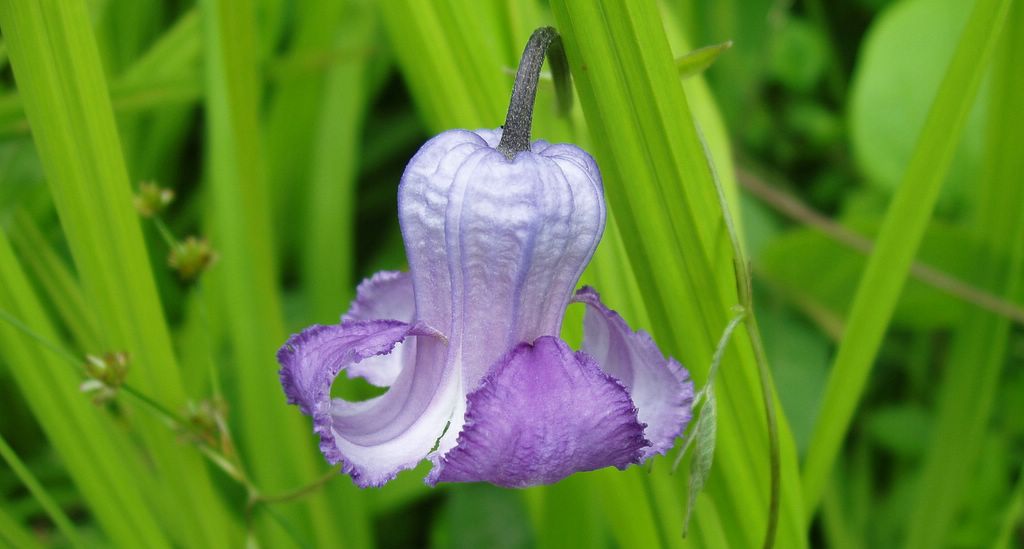
Clematis crispa -- Blue Jasmine Leather-flower. (May 20th)


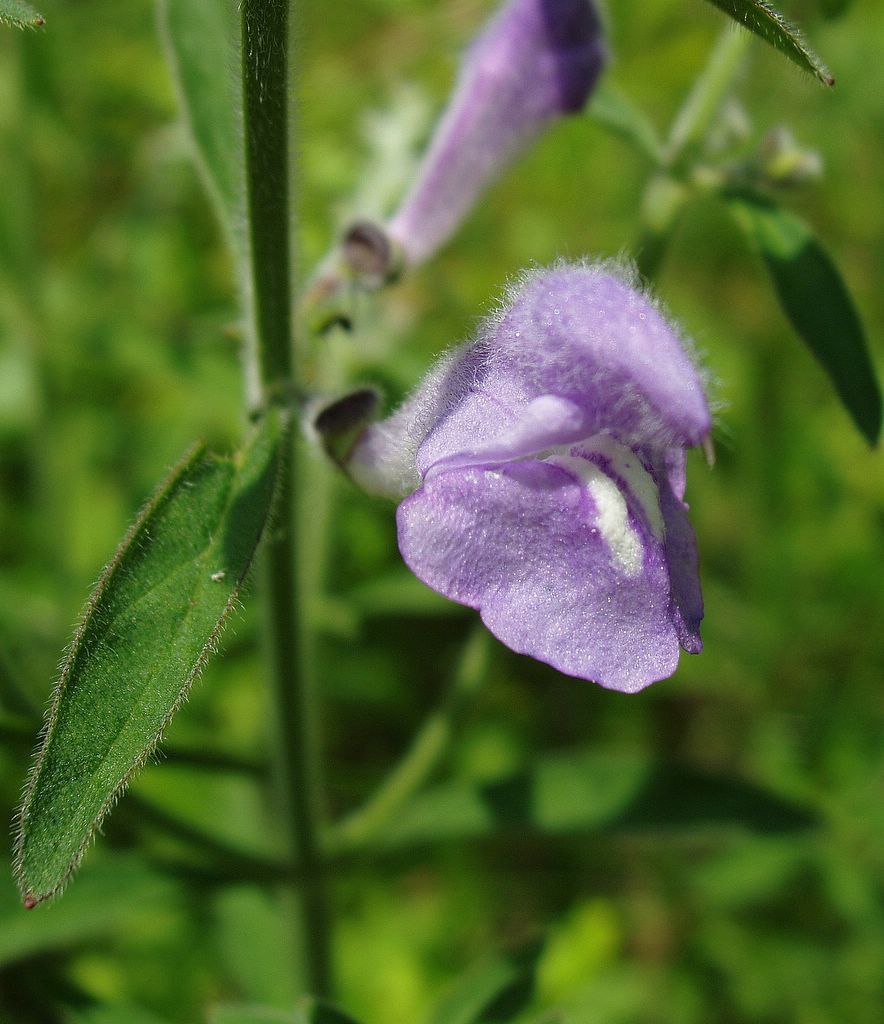
Scutellaria integrifolia -- Hyssop Skullcap. (June 3rd)

6.07.2005

Aggravation Incarnate

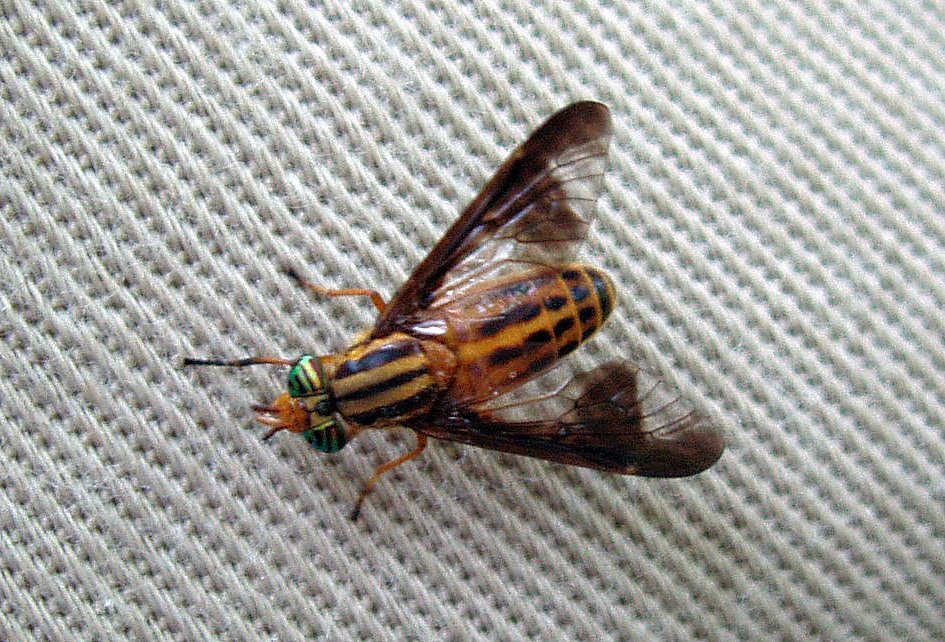
Allow me to introduce to you, just in case you've never had the pleasure, a biting fly of the genus Chrysops. Commonly known as a deer fly, I prefer to think of it as aggravation incarnate. Yes, it's true, there are a very few animals I just plain don't like (but to be honest, I can appreciate them in context) and this one is tops on that list.

It's not so much that they bite -- they do, and quite viciously -- it's that they torture you first by flying about your head and face, crashing into your ears, flying up your nose, even going behind your glasses. ARGH...makes my blood pressure go up just thinking about it.


But they are sort of pretty when you take the time to look at them...

...just before you squish them!


************
Addendum: The kind and knowledgeable folks over at BugGuide.net have informed me that the top photo is of a female Chrysops vittatus. Now I can curse them properly and with respect :)

Shades of White

Many of the plants in bloom right now have white flowers. Due to time constraints, I limited myself to five species. (We don't have high speed access here in the swamp. I must depend on my dail-up connection, which on a good day provides me with the blazing speed of 24.0 Kbps.)


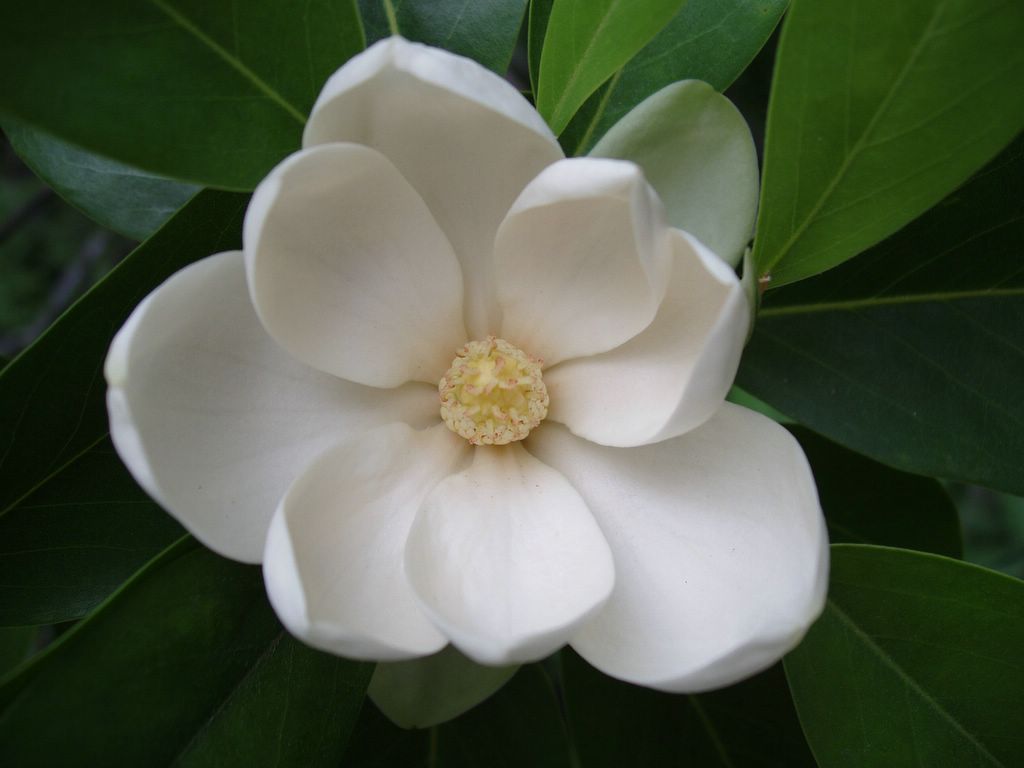
Sweetbay (Magnolia virginiana) -- aptly named, it has a pleasing fragrance.


Persimmon (Diospyrus virginiana) -- produces a sweet and nutritious fruit in the fall. Better be sure it's ripe before you taste it, though. If it is the slightest bit "green" it has a dreadful desiccative effect on the inside of your mouth.


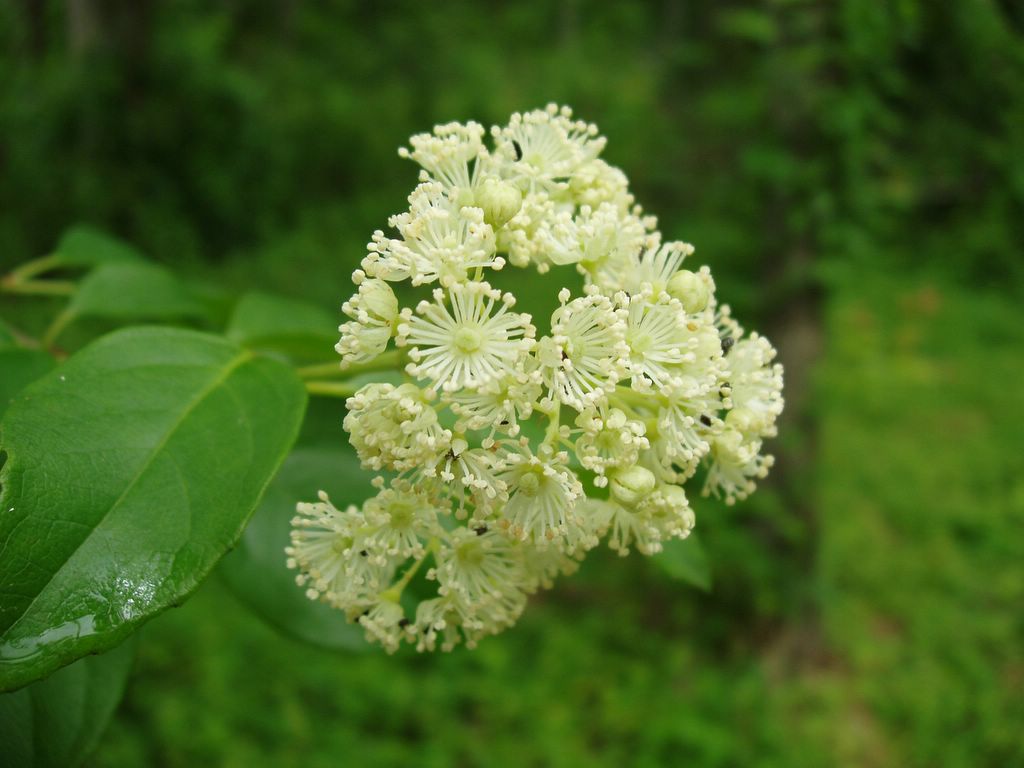
Elderberry (Sambucus canadensis) -- If you look closely, you can see two spiders lying in wait for a hapless insect to pass by. These flowers are not exactly fragrant by human standards, but myriad little insects find them quite attractive. (On closer inspection, I believe the "spider" in the lower right may actually be a harvestman [Opiliones], commonly called a daddy-longlegs.)

Some people make wine from the berries produced by this shrub -- I've never tasted any, but I'm willing to give it a try.


Climbing hydrangea (Decumaria barbara) -- a common flowering vine here.


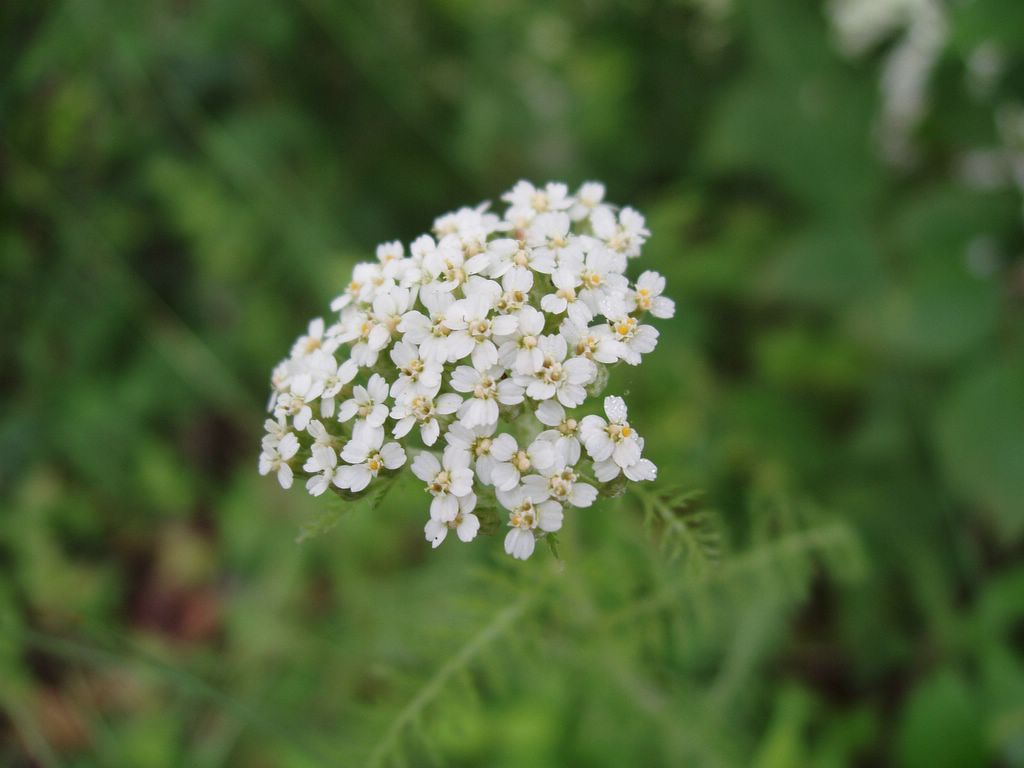
Common yarrow (Achillea millefolium) -- an herb that grows along roadsides and field edges.

6.06.2005


It's Monday! Get out there and enjoy it.

6.05.2005

Tell Tale Signs

If you were wandering along the trail or exploring your backyard and you ran across one or two of the items pictured below, would you know what they were?


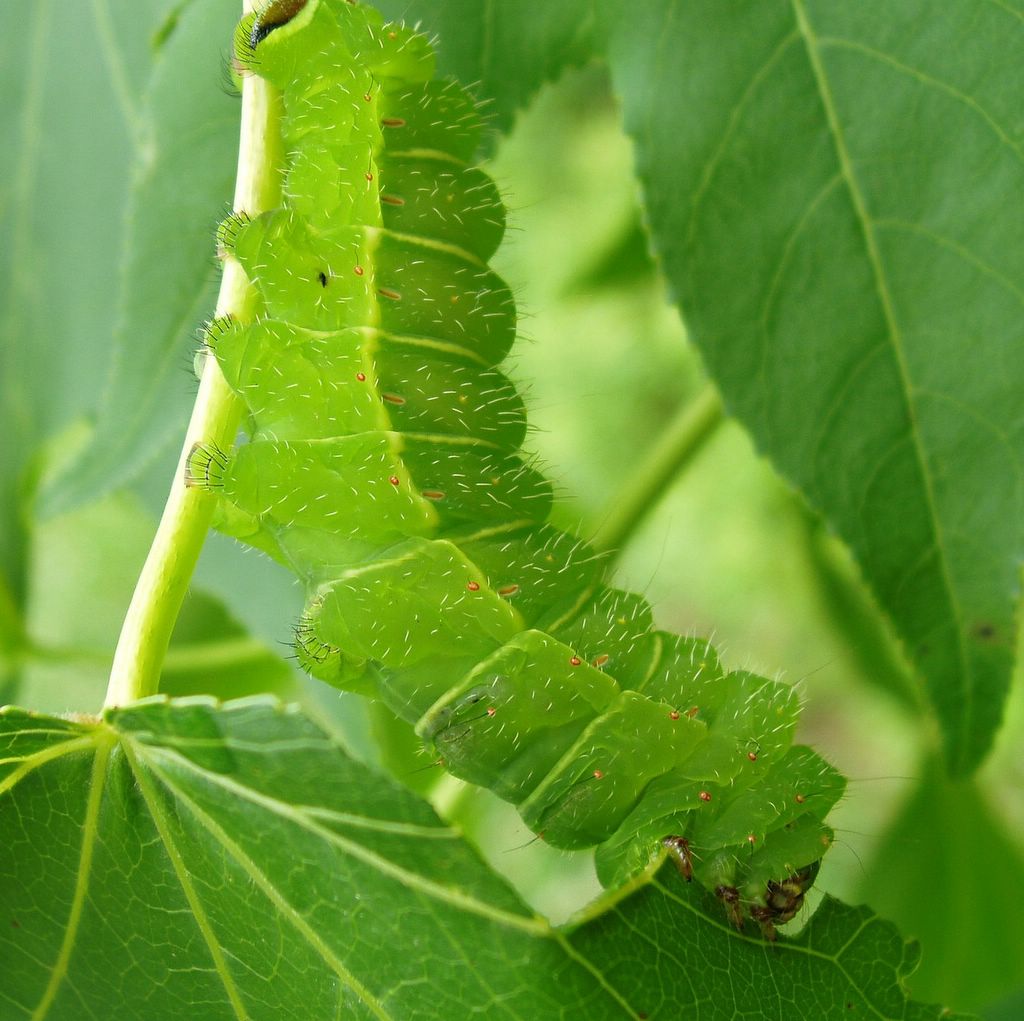
Would you immediately suspect they were the frass of this creature?


Luna Moth Caterpillar

Who knew poop could be so pretty?

6.04.2005

Phantom

Phantom craneflies (Bittacomorpha clavipes) are aptly named creatures. With their cryptic coloration, they sometimes seem to disappear as they drift along on the breeze in the sun-dappled lowlands.


6.03.2005

Wonder

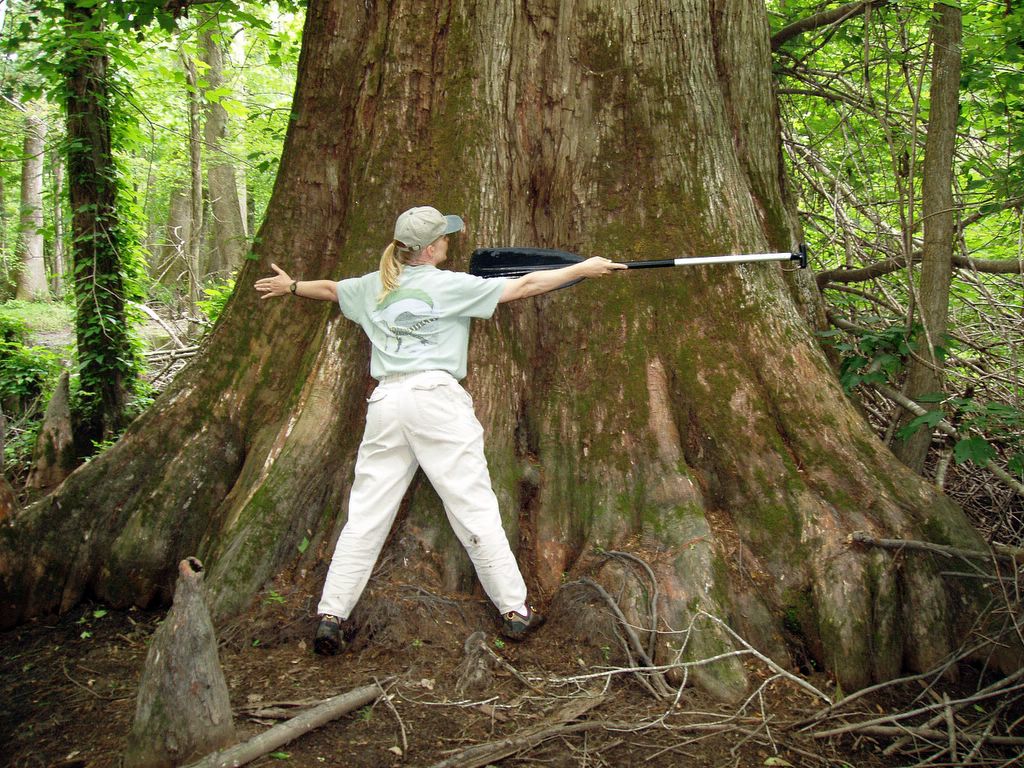
It's not often that one gets to touch a living thing that is over a thousand years old. A thousand years of life - almost incomprehensible. If this tree could share its history with us, what would it say?


This bald cypress (Taxodium distichum) stands deep in the swamp. It is very much alive and still producing cones. I often wonder how many of the cypress nearby are the offspring of this particular tree. Wonder if any of them will reach such a venerable age...

Four or five others of these massive virgin cypress still dot the swamp -- they were already too large to be cut by the time the first Europeans arrived. Several of them show signs of past lightning strikes and most have extensive hollows, but they continue to live and reproduce.

There was one other, but it was lost in 2003 when Hurricane Isabel blew through -- wonder how many hurricanes it had weathered in its long life?

6.02.2005

Feed Me!


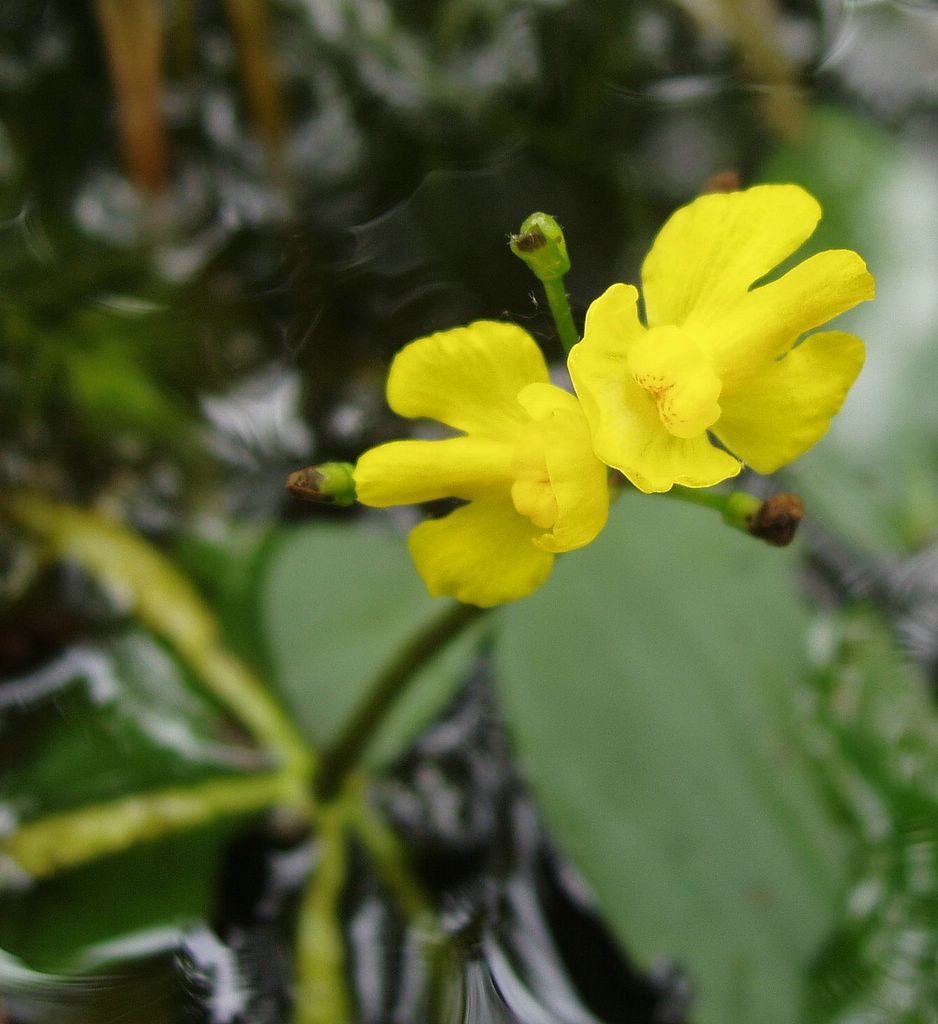
Swollen Bladderwort, Utricularia inflata - a floating, carnivorous plant common in the swamps and ponds of my area.
This plant "eats" tiny arthropods that swim too close to the bladders on the submerged leaves.

6.01.2005


A tiny surprise in a hole in the base of a bald cypress, about two and a half feet above the waterline -- a nest full of baby Prothonotary Warblers. If we hadn't seen the adult bird, we would have paddled right by them.

Life Among the Lilypads


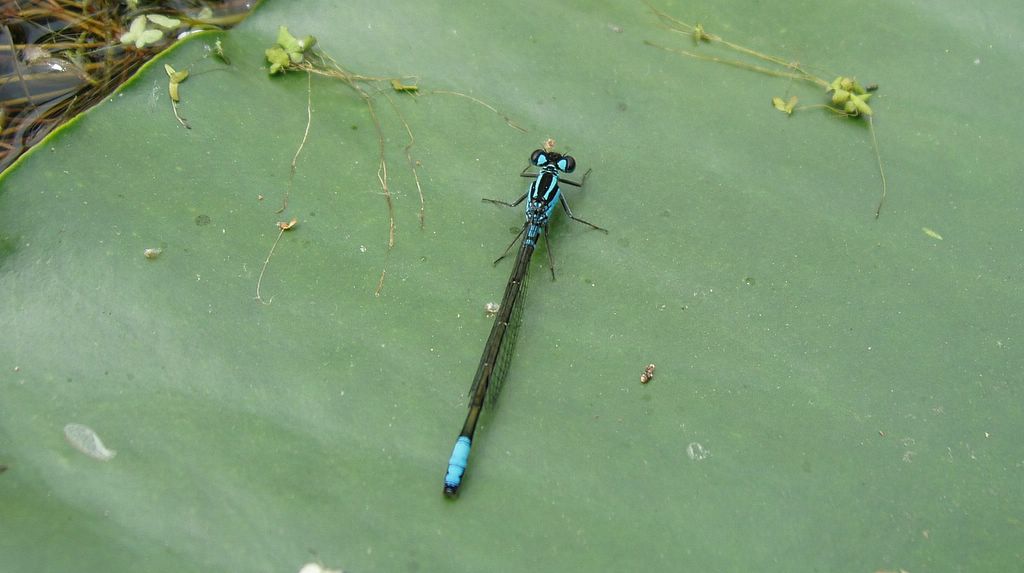
Lilypad damselfly, Ischnura kellicotti. An immature female resting on, you guessed it, a lilypad!

Nearby, a male of the same species resting on yet another lilypad.


The leaves of the spatterdock lily make wonderful resting and hunting places for a variety of insects, frogs, arthropods and even some birds. The flowers of the spatterdock are bright yellow and make a nice contrast with the dark waters of the pond.

5.30.2005


This raccoon was watching us from a tree along the trail beside our house.

5.28.2005

Streamside Dragon

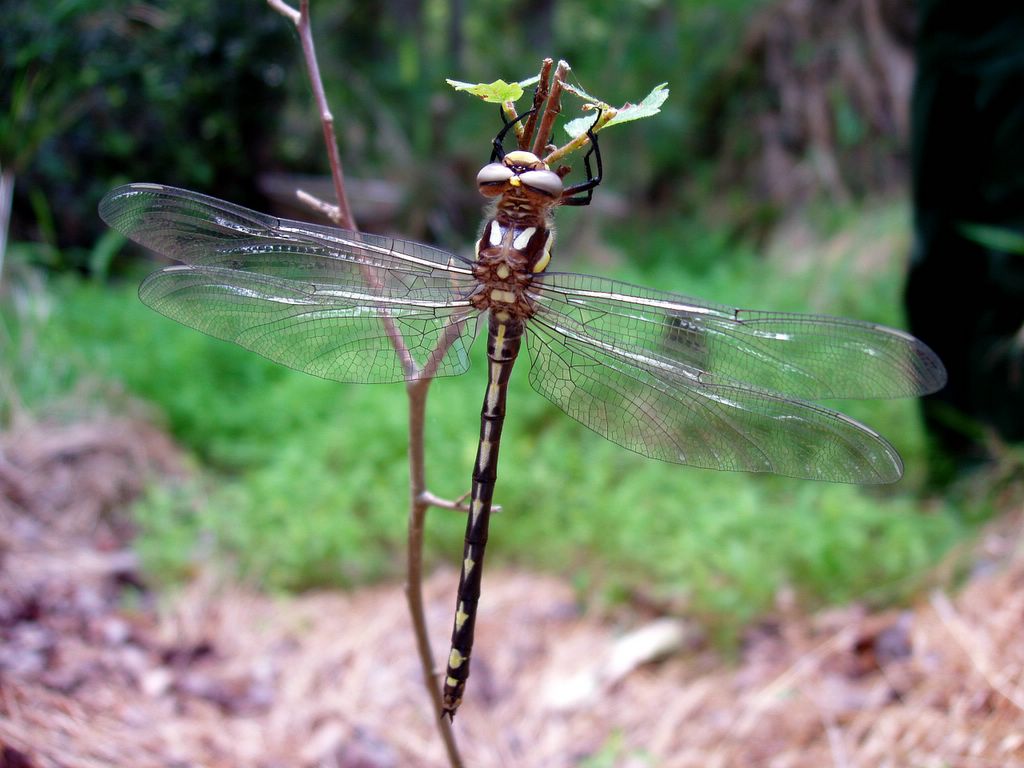
For your entomological enjoyment, I offer two views of a large and lovely dragonfly we found today. We were unfamiliar with this particular species and were delighted to add it to our odonate list.


Cordulegaster obliqua, Arrowhead Spiketail -- this one was quite fresh and hadn't completely dried after emerging from its nymphal skin. It was about 3 inches long.

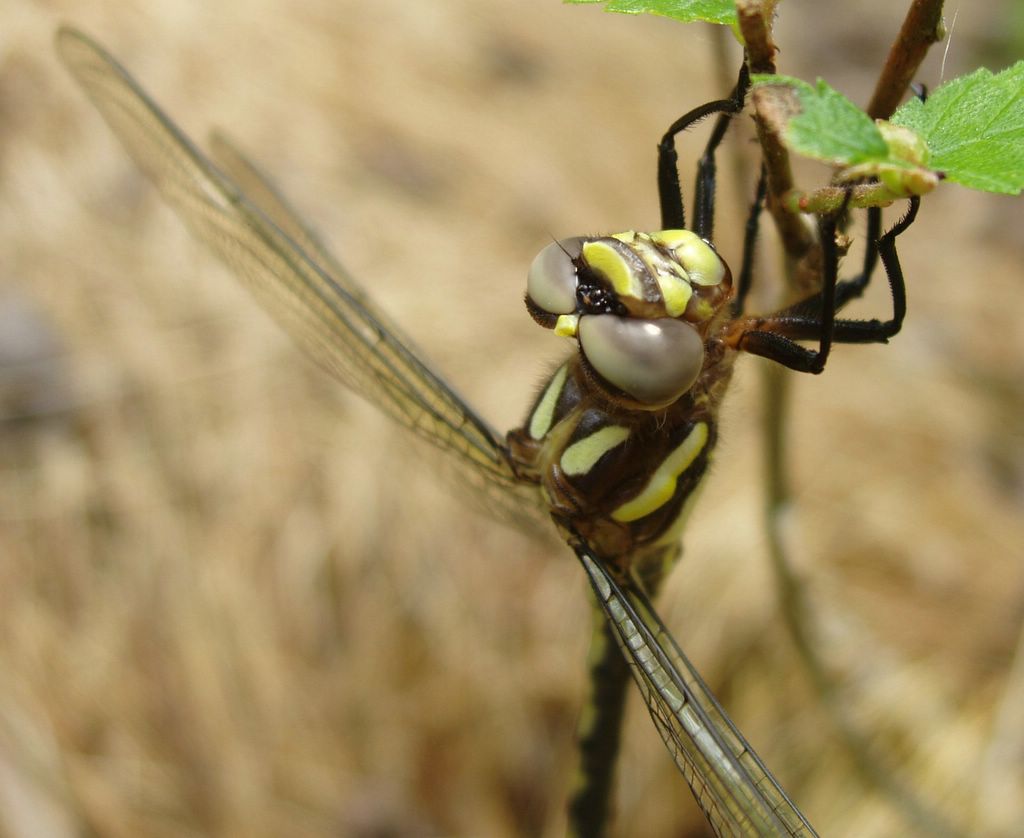
Here's a close-up view of its head and thorax.

Cute and Harmless

I know some of you have aversions to snakes, but this one is cute and it couldn't bite me even if it wanted to because its mouth is too small. (Take a deep breath Keith! Just think of it as exposure therapy.)


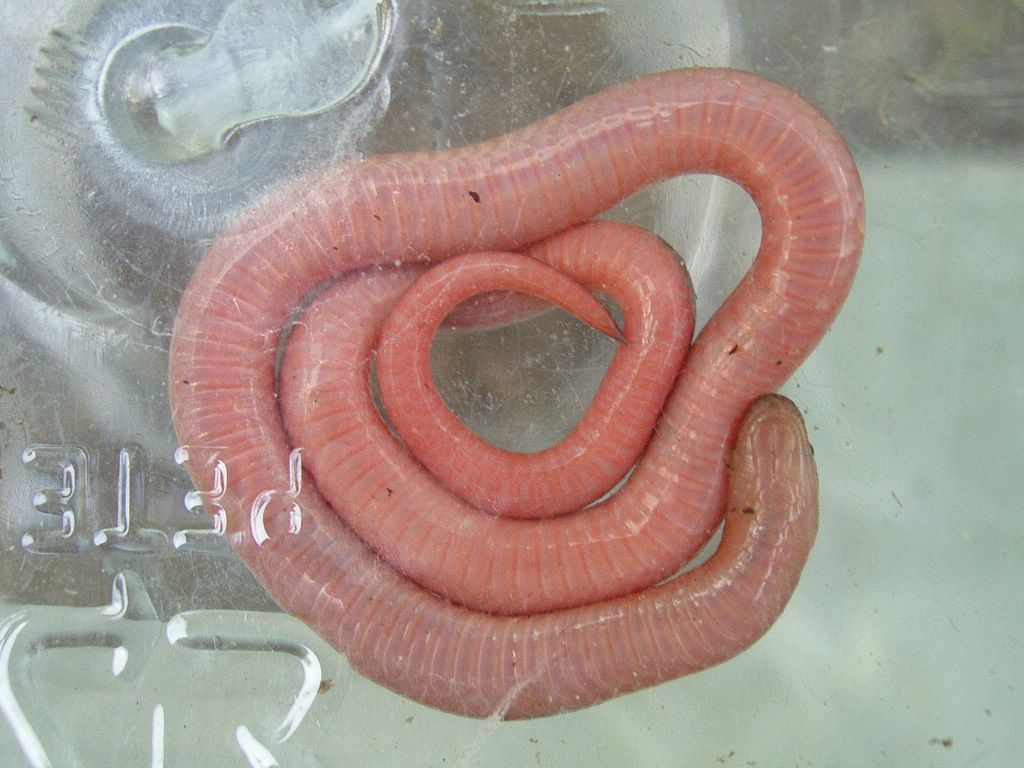
Carphophis amoenus amoenus -- a long name for a tiny little Worm Snake...

...with quite a pretty belly.


These snakes are very small. Adults range in size from 7.5 to 12.5 inches (191 to 318 mm). Earthworms make up most of their diet.

Atlantic Coast Slimy Salamander

Leopard's Bane

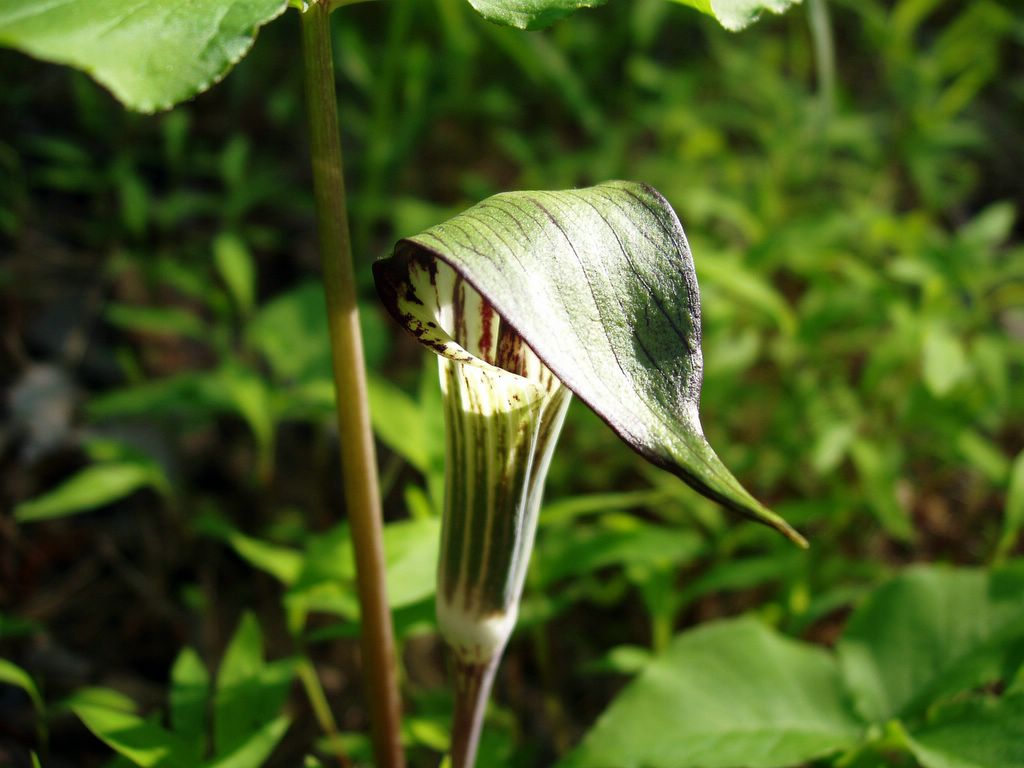
Jack-in-the-pulpit

5.27.2005

Post Successful...

...the two most beautiful words in Bloggerdom!
Oh yes, oh yes! As mysteriously as it stopped working, Hello has started working again. It is just down right silly how happy this makes me. Pardon me while I do the dance of joy!
I have absolutely no idea why Hello went AWOL, or why it came back...I'm just happy it did. But enough talk -- on to the pictures.

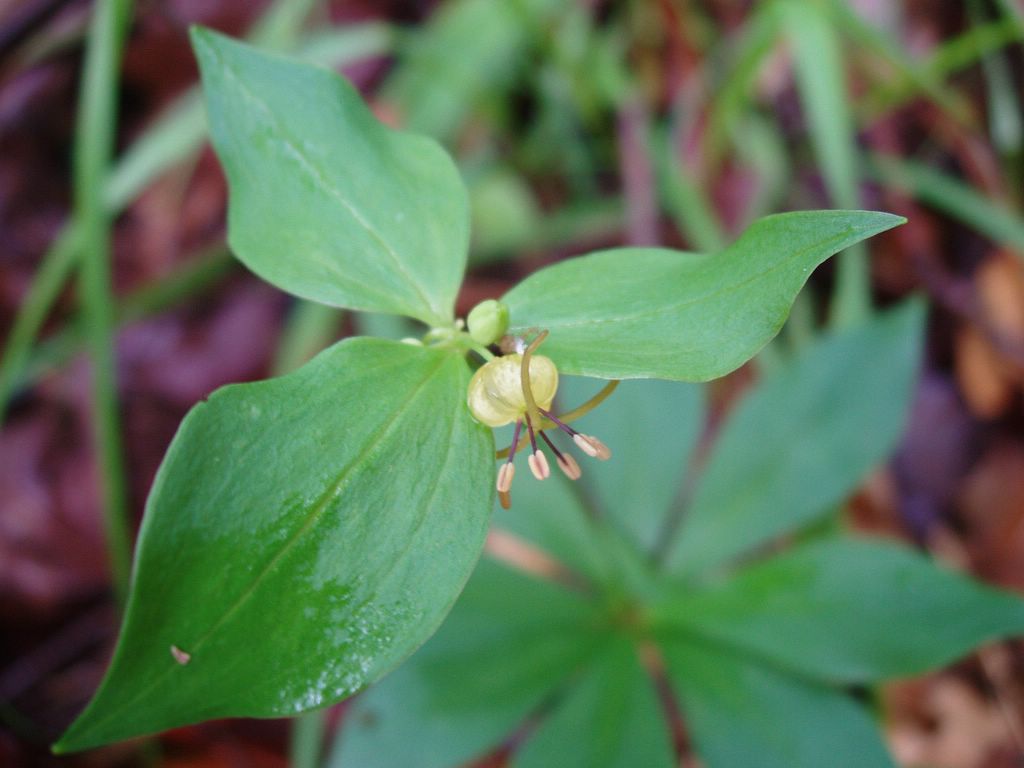
Indian cucumber root, Medeola virginiana

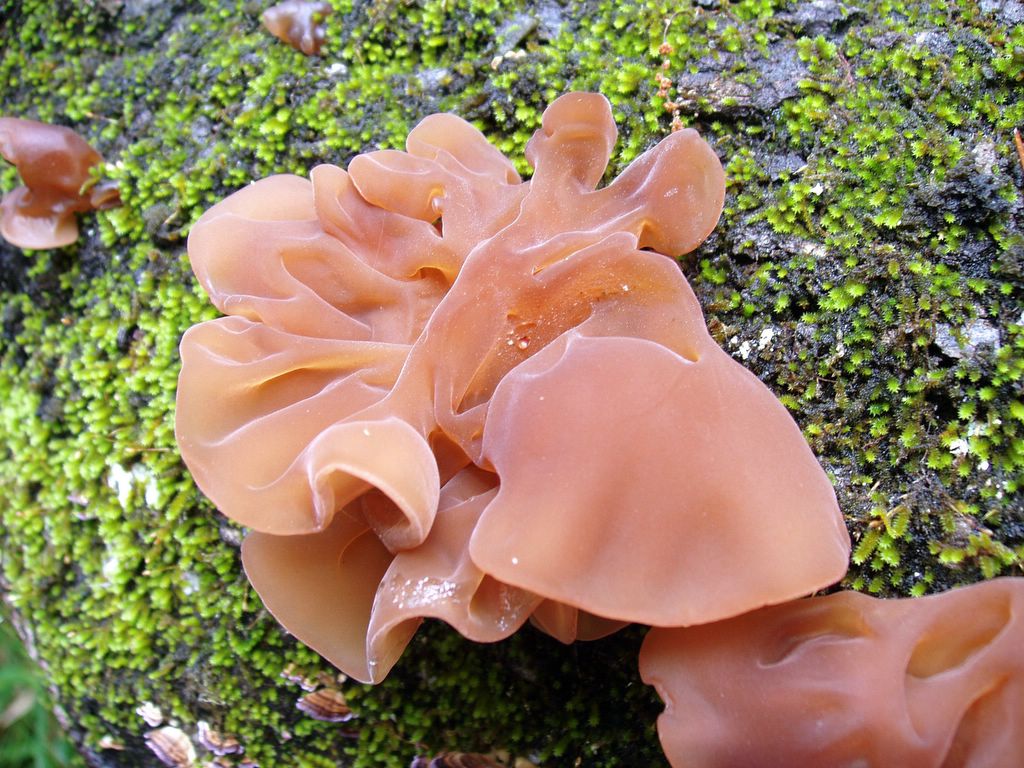
I believe this fungus is one of the tree-ears, but I haven't tried to key it out yet. The top surface feels velvety and the underside is smooth.

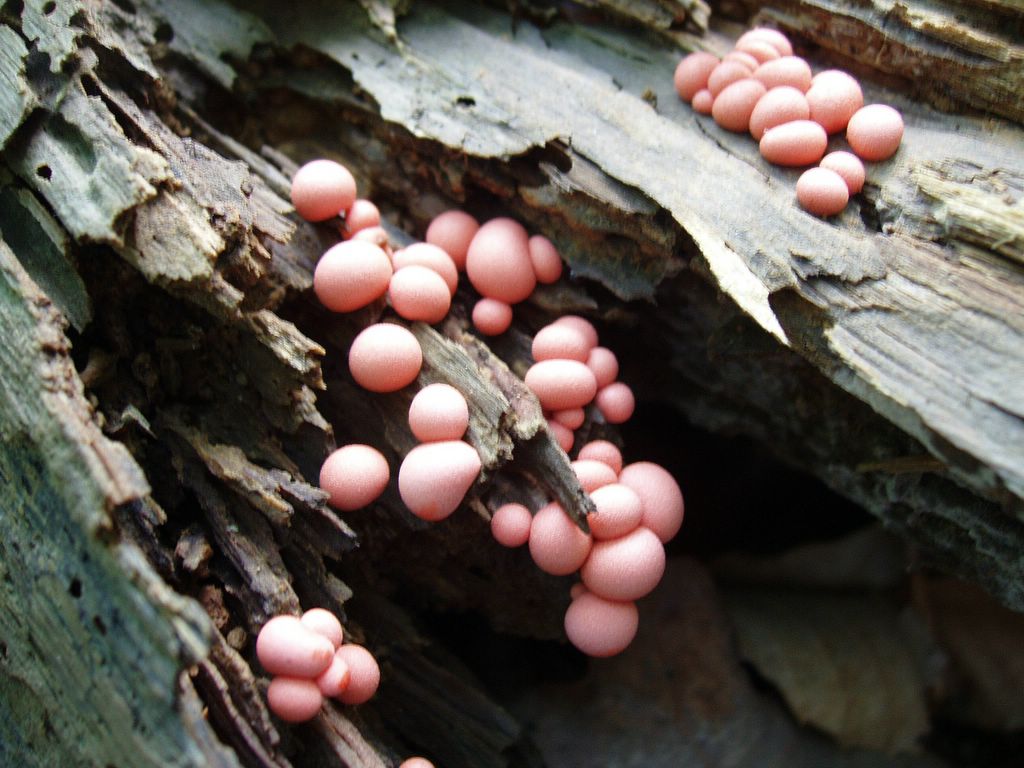
Absolutely no idea what these will turn out to be, but they were so positively pink I had to show them to you. Perhaps one of the puff-ball fungi? I will go back and check on them tomorrow to see how they have matured.

Thanks for stopping by! Hope everyone has a wonderful and safe Memorial Day weekend.

5.25.2005

OK, Maybe That Wasn't the Last Thing

Thanks to help from two very special guys (you know who you are!) I may be able to keep on with this blogging business, just with a bit less frequency. My nearly once a day, multiple pictures in a post, blogging habit may be replaced by twice a week, only one picture in a post habit. I have a dial-up connection so things tend to go a bit slowly.

Please check back toward the end of next week and I'll try to have something up for you.

One Last Thing

Just so you don't think I'm a wimpy ole quitter...

I bit the bullet and joined the Google Groups thing because I really would like to resolve this picture posting issue. What did I learn? Number one, I am far from alone in this problem -- it is mildly rampant! And number two, there appears to be no resolution for it. People have tried a tremendous range of remedies, but to no avail. Plus there were MANY letters referring to the lack of response to requests for help.

C'est la vie!

Bye.

Still Not Right!

So, I am giving Photobucket a try. Thus far its performance has been less than stellar...maybe I'm just not holding my mouth right or something...

Things are a trifle hectic here in the swamp at the moment and I just don't know if I have the time or patience to deal with software that won't work. Perhaps when things calm down, and I have enough time to deal with troubleshooting, I will get back to posting regularly, but for now I think I am hanging up my blogging hat.

You all take care of yourselves -- even though you are invisible "e-people," I have come to consider you friends (don't we live in very strange times?).
Image hosted by Photobucket.com


5.24.2005

Hello Frustrations

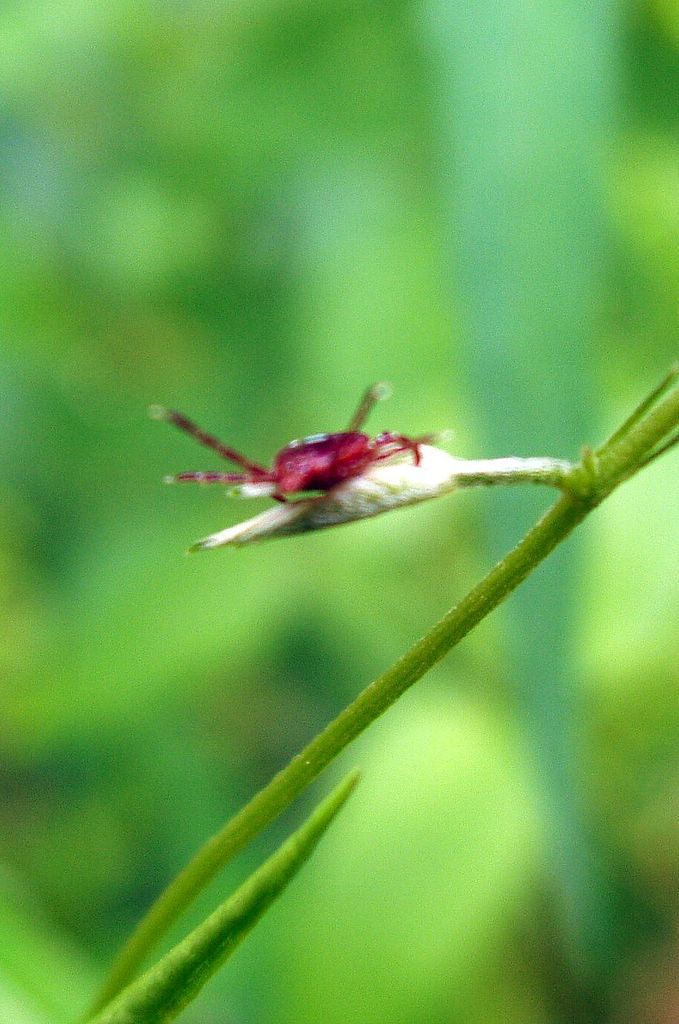
I know, you come here expecting to see the denizens of the swamp and for several days all you have seen is that silly tick. Why? Because for some reason, known only to itself, Hello has decided to quit working. Oh, it tells me it is putting my images on my blog and asks me to wait as this "might take a few seconds," but then, nothing. Nada. Zip. I wait and wait but see no little reassuring Kbps numbers in the lower right of my screen, I see no "Post successful" message.

So, being a responsible-type, I go to the online help which refers me to the online forum where, by gosh, I find someone with an inquiry about the exact same problem! When I click on the reply to said inquiry to learn how to fix this little problem, I am told that I must first join Google Groups. Why? I am already a Picasa and Hello user and I am just looking for a solution to a problem with the software I am already using. Maybe I am just in a mood today...but I don't want to have to join to get an answer.

By tonight I will probably fold and sign up for the blasted GG, but for right now I am going to stick out my lower lip, put my hands on my hips, stomp my foot, and whine. When I am done raging against the machine I will attempt to post again. So please know that in the meantime, I am thinking of all you swamp-deprived people out there and I am still taking pictures to share.

5.22.2005

Is That a Meal I Feel?

They're out there waiting for you...


...it's called "questing" in the tick world.

Ever so patiently this female Lone Star Tick (Amblyomma americanum) waits, with sensor-equipped forelegs raised, for an unsuspecting host to happen by. When a likely prospect brushes against the grass, the tick grabs on (no, they can't jump) and scurries to find a spot to tuck in for a blood meal.

5.19.2005

Isn't he just the cutest thing? And don't worry, I did wash my hands after I handled him. Can't play with a "tumble turd" without washing up afterward! (Rainbow Scarab) Posted by Hello
Rainbow Scarab Beetle - Phanaeus vindex Posted by Hello


This one is an adult male.

Waste Not, Want Not

An American Carrion Beetle, Necrophila americana, working on the carcass of a Northern Black Racer.


The snake was probably caught and eaten by a Red-Shouldered Hawk. The left-overs have provided meals for several fly species, ants, and now carrion beetles.

The economy of nature is a marvelous thing.