5.05.2005

Could Just Be...

...that the newly emerged critters featured in the last post are going to grow up to beome adult wheelbugs (Arilus cristatus) like the ones in this picture, taken in late July of 2004.


These bugs ( a correct term in this case) have piercing mouth-parts that can inflict a painful wound that sometimes takes a long time to heal. But, despite their somewhat intimidating appearance, they aren't particularly aggressive and you are only likely to be bitten if you seek them out and handle them.

Many thanks to Mr. Bloggerific Himself and thingfish23 for the links they provided in the comments section of the previous post.

5.04.2005

Patience Rewarded

Back in mid-January I spotted this insect eggmass on the trunk of a small sweetgum beside the trail behind the house.


Since I walk that trail nearly every day, I have kept a pretty constant eye on this little mystery mass, waiting to see what might emerge. When I was out of town all last week I fretted that the creatures within might hatch out while I was gone.

Luckily for me, they waited until I returned.


I have absolutely no idea what species they are. All I can tell so far is that they are true bugs and they are pretty darn cute. I'll try to post an ID when and if I figure out what they are -- and if any of you can tell me, I would appreciate the help!

A Frog of a "Normal" Color

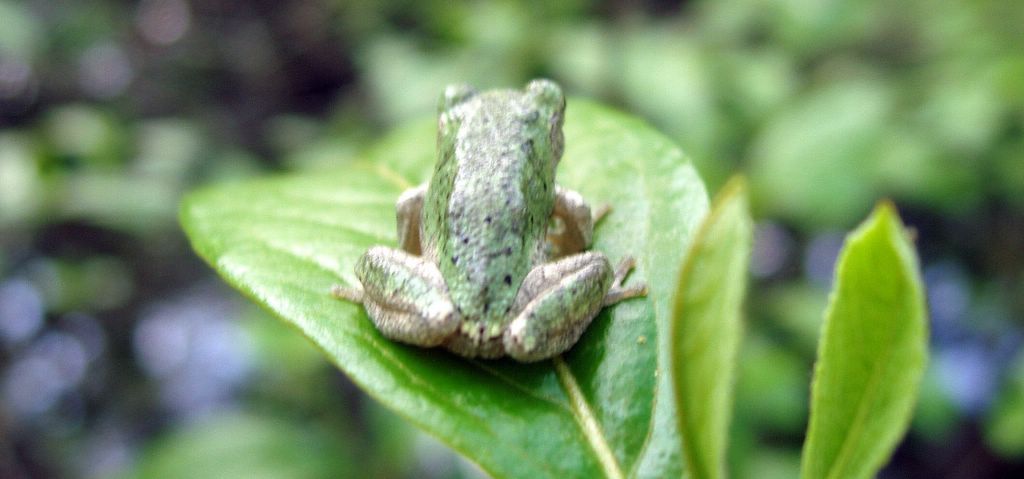
For Wayne, over at Niches, an actual gray, gray treefrog (Hyla chrysoscelis) Posted by Hello

Just wanted to show you that we do have some frogs that follow the rules and actually look like the ones you see in the field guides.

5.03.2005

Someone's Watching


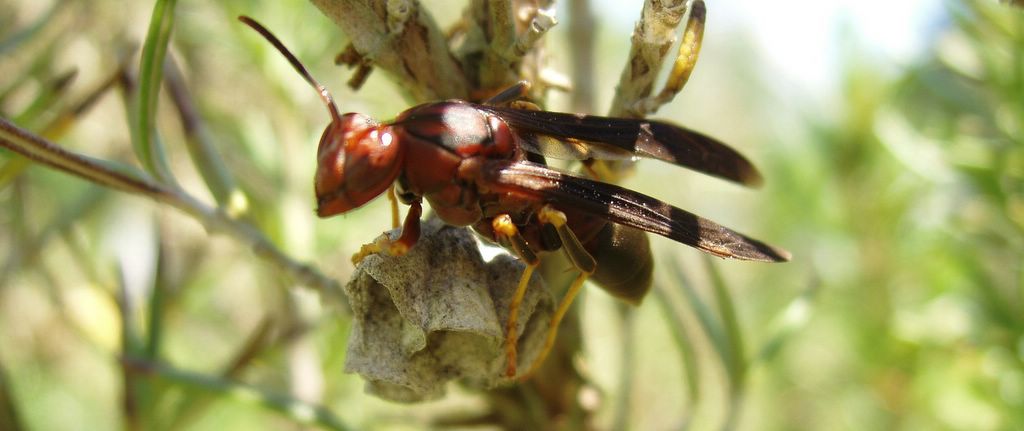
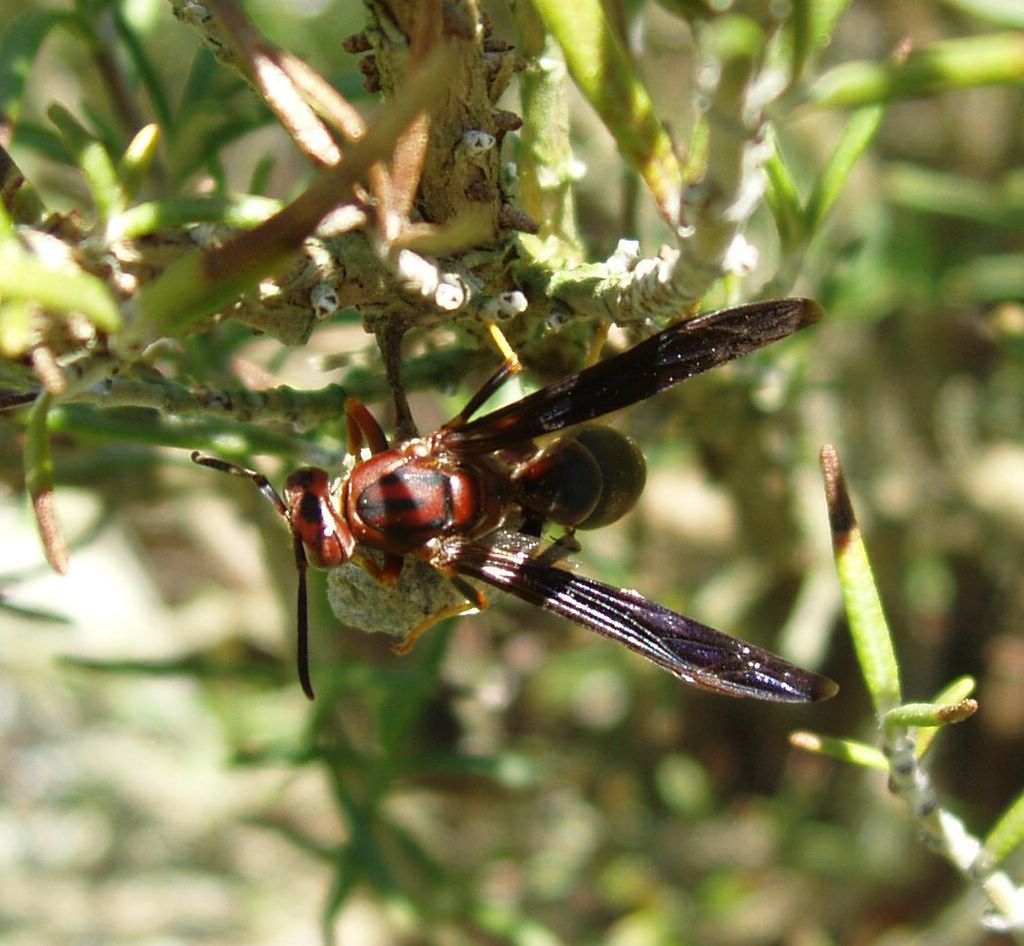
While working in my herb garden during lunch today, I got the feeling I was being watched...


...and it just so happens, I was being watched. A paper wasp has begun a nest amidst my rosemary. She watched every move I made as I puttered about trimming out dead branches. She was never aggressive toward me. She was cautious because she is the only one on the nest at present. All her energy is going into starting her brood. Once she has some offspring to back her up, she will be less forgiving of my trespassing. I will take down the nest before she expends anymore of her energy on it. Perhaps that way she can find a new location for her home and I will have continued access to my herb bed.


They are quite admirable little creatures, paper wasps. Since they are predatory and feed their young living insects, they aid in helping to control the insect populations around the garden.

Back To Work

It's back to cataloging species and maintaining bloom calendars for me. Mother Nature has been hard at work while I have been gone -- I am going to have to hustle to get caught up! Here are a few pictures to keep you occupied in the meantime...


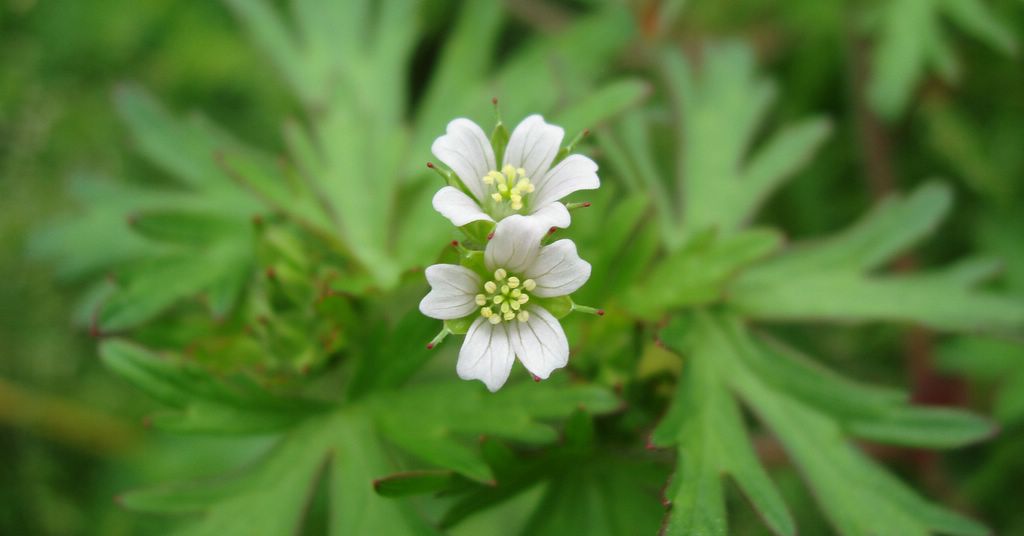
Carolina Crane's-bill (Geranium carolinianum). This pretty little flower is a common "weed" in yards and fields.


Virginia Blue Flag (Iris virginica) is blooming along the edges of the pond. This iris likes to keep its feet wet.


A shocking spot of color amid the green understory, this flower goes by a couple of common names: Coral Honeysuckle and Trumpet Honeysuckle (Lonicera sempervirens). It is a native plant and doesn't tend to be invasive like the non-native Japanese Honeysuckle (Lonicera japonica).


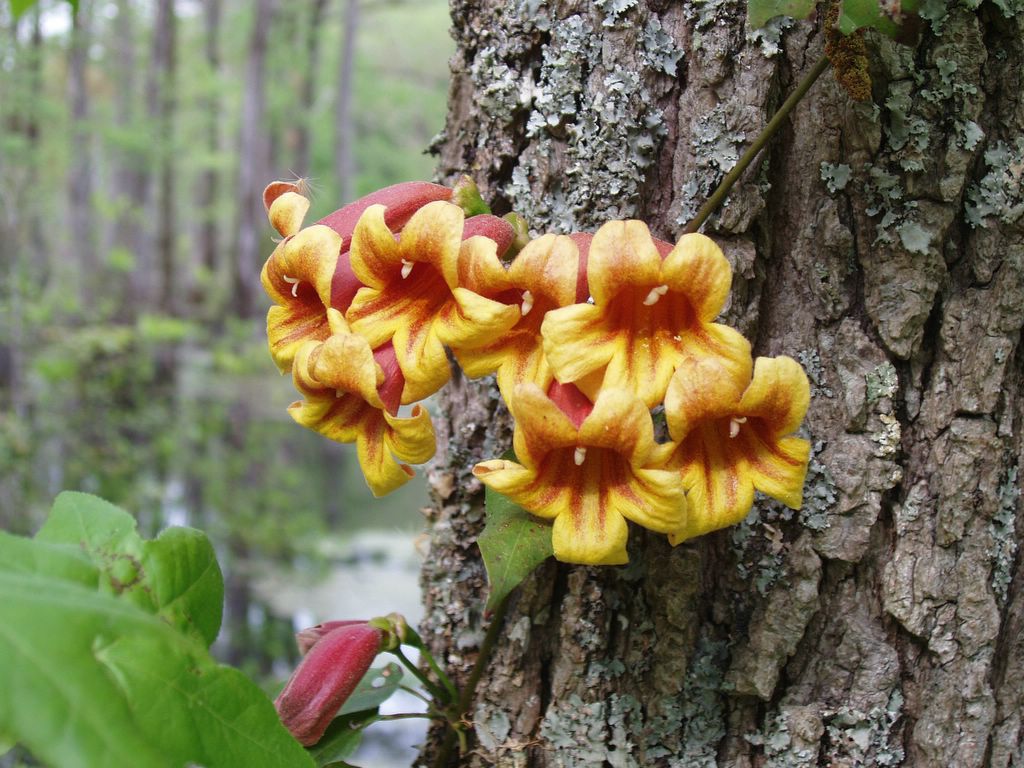
Crossvine (Bignonia capreolata or Anisostichus capreolata). I was afraid I had missed this one blooming!

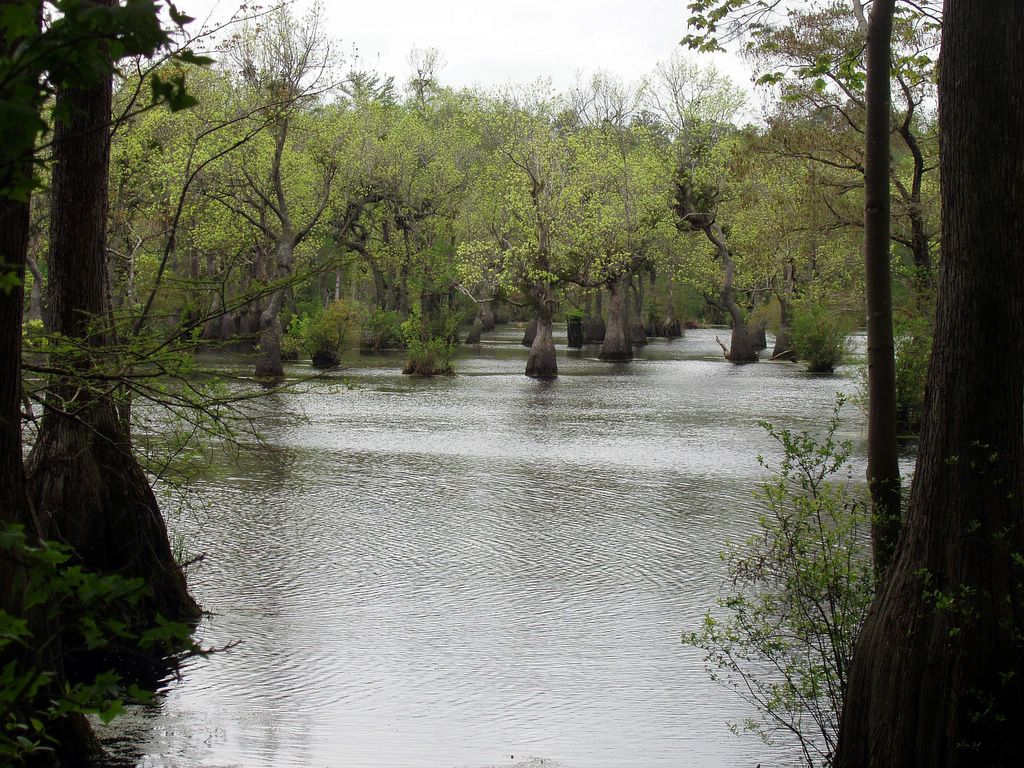
Goodbye City Life...Hello Swamp!

My trip to Charlotte began, as it always does, with a sense of dread for the drive. The first two hours weren't so bad...two lane highway through the country. There were things to see and the traffic was minimal -- of course, I had to dodge the occasional tractor, but that was no problem. Then reality set in as I gathered speed on the ramp to merge into the craziness that is I-85. For the next three hours it was a game of holding my lane and hoping the NASCAR wannabe in the next lane held his. Do you get the idea that I don't like driving on the interstate? It wouldn't be so bad if you could count on other drivers to be reasonable, but something happens to some people when they get behind the wheel -- they become raving loonies with egos the size of their vehicles. I felt a great sense of relief when I pulled into the driveway of my sister-in-law's suburban home.

As cities go, Charlotte is not bad. There are still plenty of trees and even the occasional patch of honest-to-goodness woods. Traffic is horrific and the air quality is pitiful, but still, it is my hometown and I have a soft spot for it. The downtown area is nice and the restaurant selection is good -- I like Thai, Vietnamese, and Brazilian cuisines and Charlotte has all that and more. So, I guess, all in all, the trip wasn't bad.

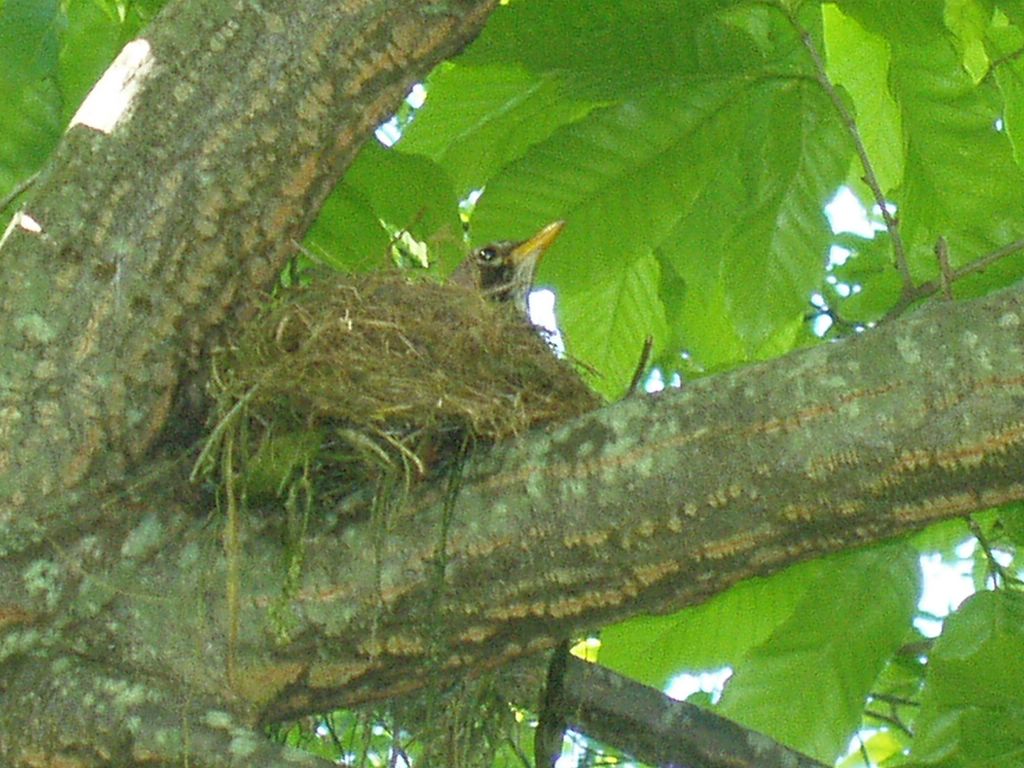
Family occupied most of my time so I don't really have pictures to share. I did take one shot of a robin nesting in the chestnut tree in my sister-in-law's backyard. The bird appeared quite serene amid the bustle of the neighborhood. Whenever I needed a little break I would step outside and watch her as she patiently incubated her eggs.


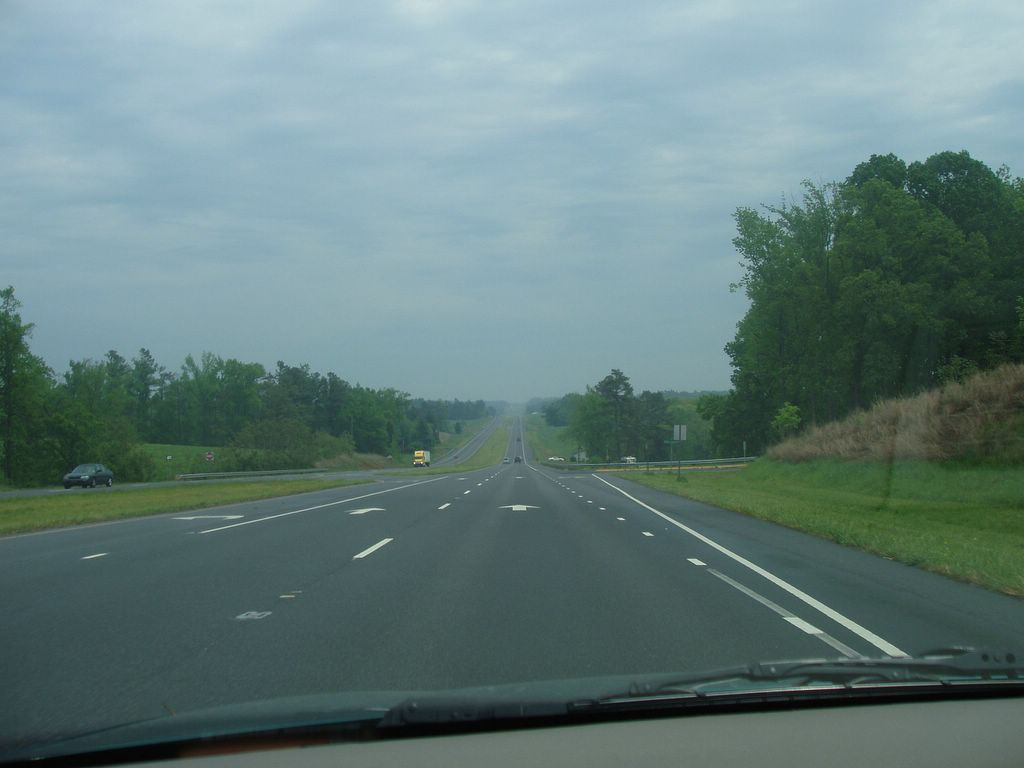
When it was time to come home, I decided to take the "back" way. Instead of traveling the interstate to save an hour, I opted to save my sanity and take state and US highways back. The trip is longer, but only about 40 minutes of it is nerve-wracking (the outer belt loop around Raleigh and through Knightdale). During my trip back I saw wildflowers we don't have in the coastal plain, a bullfrog, hawks, a monster of a snapping turtle and many other delightful sights. I pulled into my lane tired, but with a list of wild things to share with my husband rather than a rant about crazy drivers. Yep, there's no place like home...


Somewhere on US 64.

5.02.2005

I'm happy to be home, but I'm busy catching up on what's been happening in the swamp while I've been gone. I promise to blog soon. Posted by Hello
A not-so-gray, gray treefrog Posted by Hello

4.24.2005

Country Mouse Takes a Trip

My bag is packed and I am headed out the door to make the five hour trip to Charlotte, NC. For the next week or so I will enjoy the amenities of city life ( yes, I admit that there are a few) and visit with relatives. But, I will miss my woods and swamps and I will miss reading your comments and visiting your blogs. So have a great week and don't do anything too exciting while I'm gone!


4.23.2005

Sorting Out My Azaleas

This is Dwarf Azalea, Rhododendron atlanticum. I inadvertantly identified as pinxter flower the other day. My brain was on holiday I guess. The dwarf azalea is a low growing shrub with fragrant flowers...


...Pinxter-flower, Rhododendron periclymenoides, grows as a tall shrub and its flowers have little, if any, fragrance. If this photo looks a bit strange, it is because I had to hold the camera way over my head and use the faith method of focusing :)

Another pink lady's slipper. This one has developed a deeper pink color. Posted by Hello

Making Spore Prints

A reader has requested that I post instructions for making spore prints of mushrooms. I am happy to do so, but I must add a word of caution: Some mushrooms are extremely toxic! They must be handled with care. NEVER eat a wild mushroom unless it has been positively identified. Eating the wrong mushroom can prove to be fatal!!


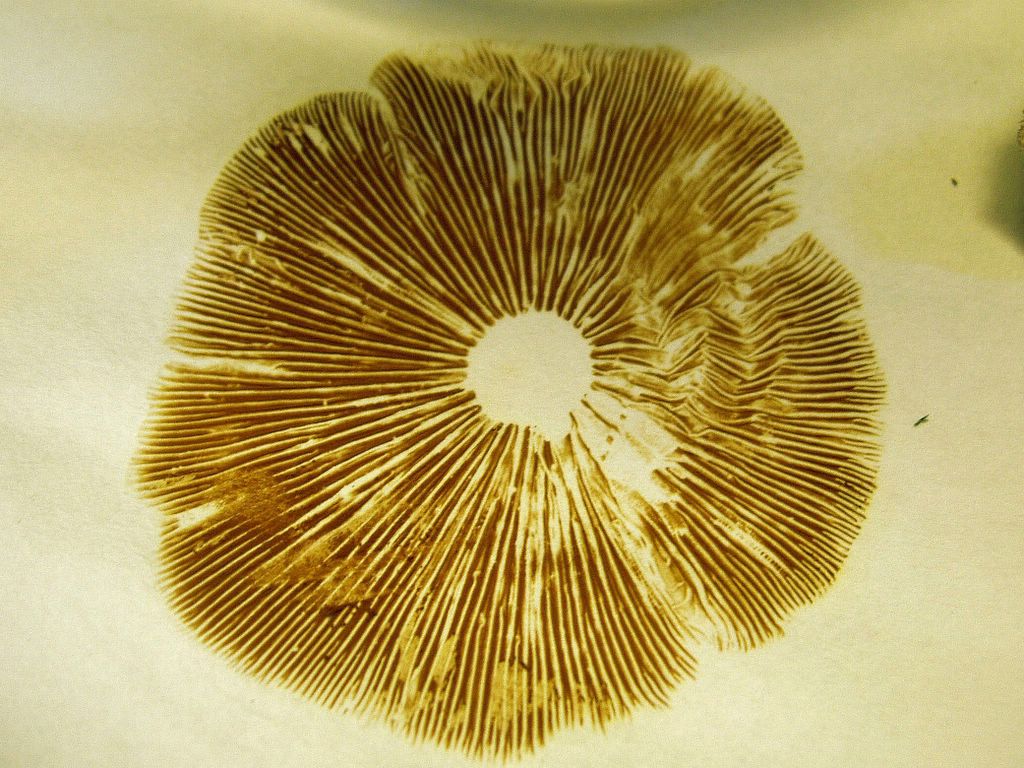
Here are a couple of spore prints I made last fall. They aren't the best examples, but they are the only pictures I had on hand.
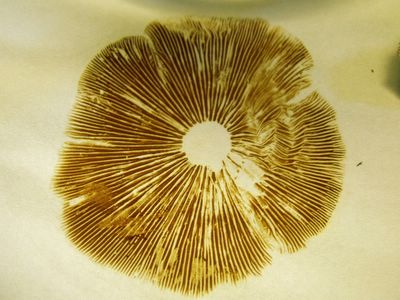


To make your prints you will need a few sheets of sturdy white paper. It is best to use white paper so that you can detect subtle shades of color in the spores. Mushroom spores come in a wide variety of colors, from white to green to pink to black. Sometimes you get quite a surprise!

Next, you will need a bowl or jar large enough to cover the mushroom cap you are printing.

Gather your mushrooms (gilled or spore-bearing caps work best), keeping each separate from the other. Twist or cut the stems off flush with the caps and place your mushrooms, gill- or pore-side down, onto a sheet of paper.

Cover each cap with a bowl or jar and leave everything undisturbed for several hours. If your mushroom is at the right stage of maturity, the spores will drop onto the paper and leave a nice print. This process can take up to twelve hours, so be patient!

Remember, some mushrooms are toxic. Be sure to wash your hands thoroughly after handling any species you aren't positively sure of -- better safe than sorry.

If you want to practice, you can use mushrooms you buy from the grocery store. If you can get them before they have thrown all their spores, portobellos make an impressive print.

4.22.2005

If I didn't know better, I'd think this little frog was trying to tell me something. (Gray phase of the pine woods treefrog, Hyla femoralis) Posted by Hello


He was much happier after I put him back down. The mating call of the males of this species sounds a lot like "getta, getta, getta" and can be quite loud when there are several calling at the same time.
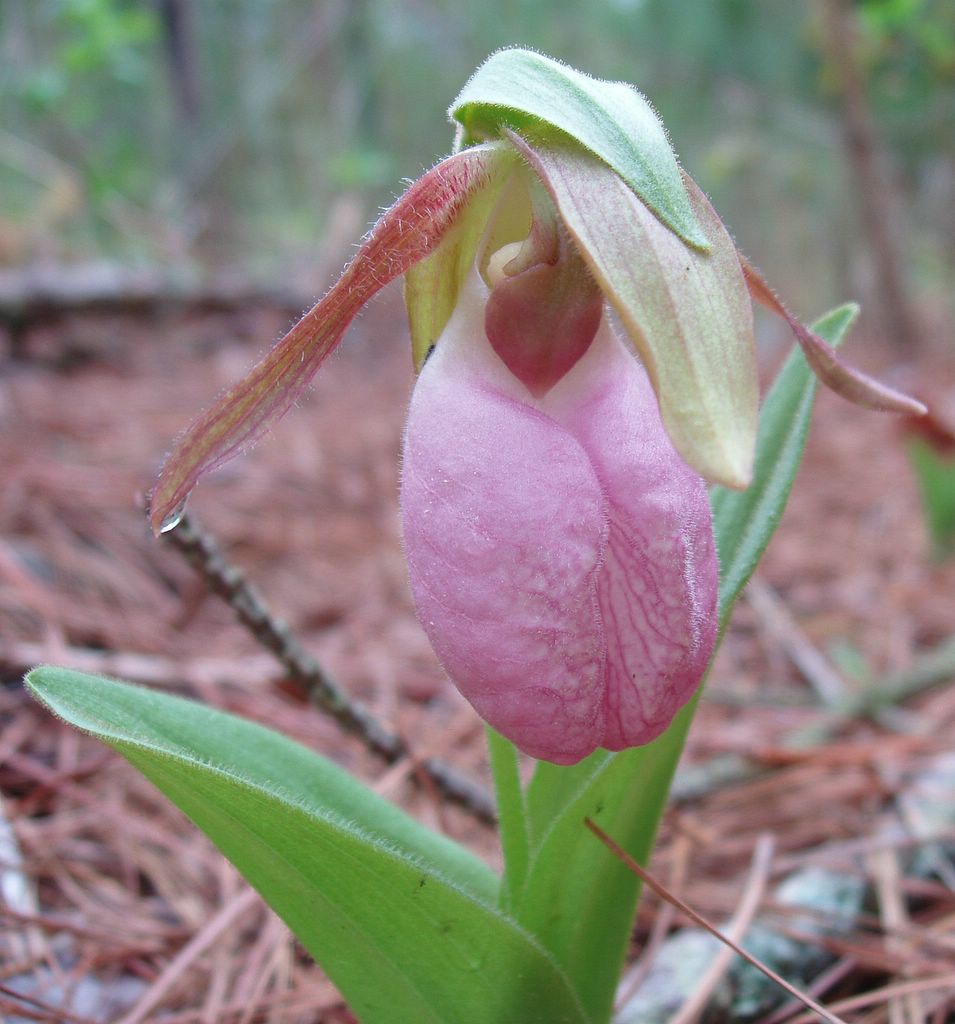
The pink lady's slippers (Cypripedium acaule) are just beginning to bloom. Posted by Hello


The flower will become more pink as it ages.

4.21.2005

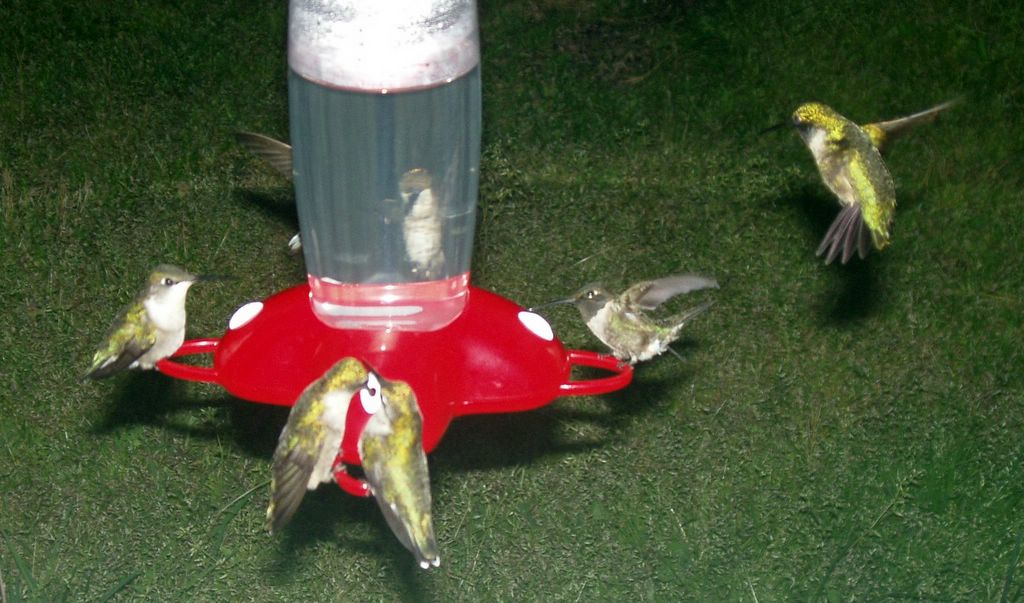
Took this just after sunset this evening, hence the need for the flash. The photo captured just some of the hummers coming in for a nightcap. Guess it's time to put out an additional feeder. Posted by Hello


Last summer we fed 147 pounds of sugar to these greedy little creatures. You should see the looks we get at the grocery store...our cart is full of whole grains, fresh fruits and veggies, organic this and that, no junk food of any type and then there are the 25 pound bags of sugar!
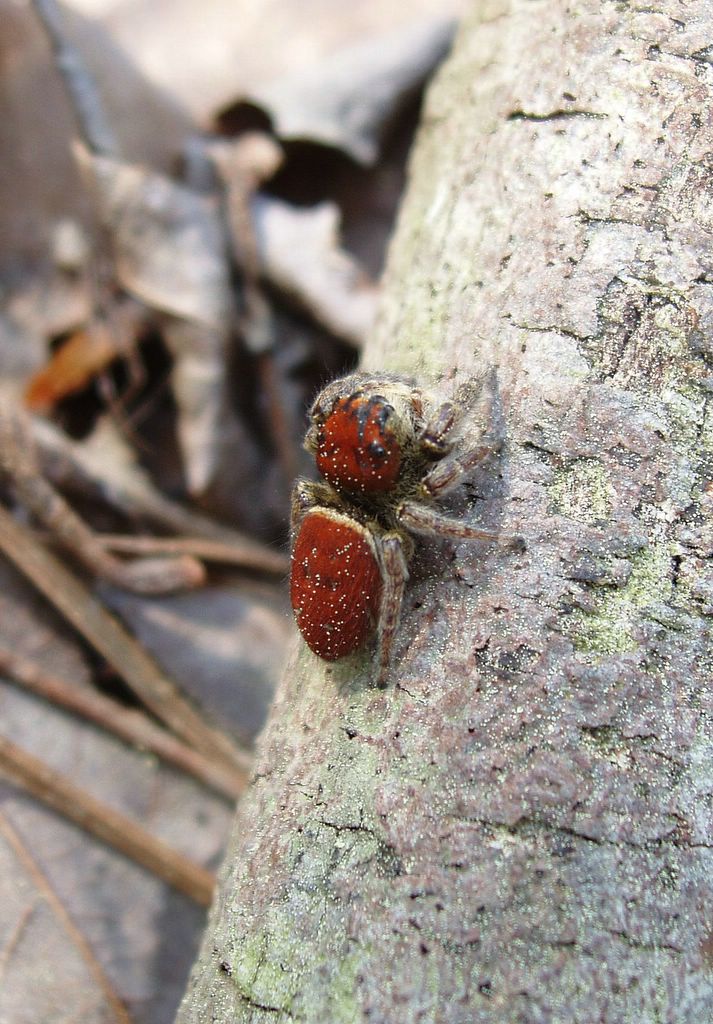
I can't close the tailgate of my truck because this Daring Jumping Spider keeps ducking into the latch! He has the most beautiful green chelicerae but was unwilling to let me get a mug shot to show them to you.  Posted by Hello

4.20.2005

An absolutely beautiful spider. This jumping spider, Phidippus sp. (I think), was busy hunting insects near the ground. He didn't seem too put out by having his picture taken. Posted by Hello


Jumping spiders are among my favorite creatures. They are very entertaining to watch as they stalk their prey. The males of some species will put on quite a display if they see their reflections in a mirror or a camera lens!
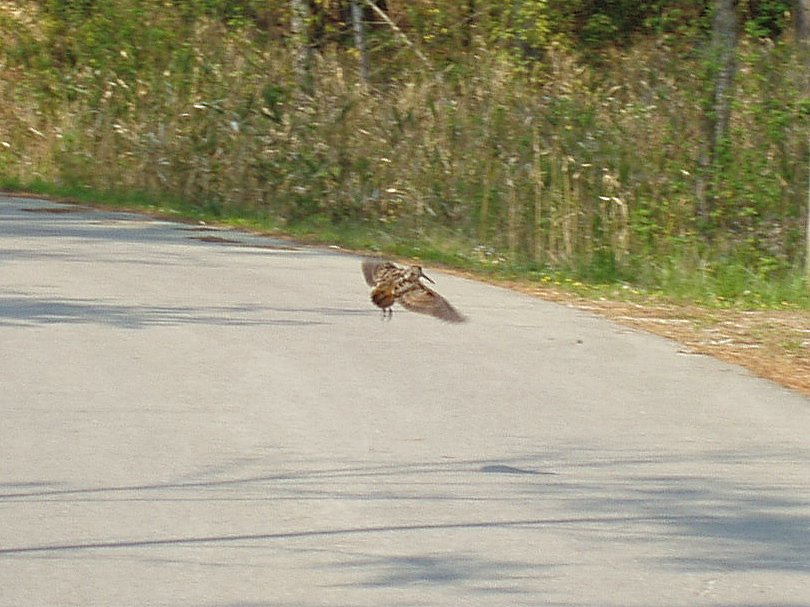
This American Woodcock (Scolopax minor) did its best to convince me it was an injured bird. It squawked, fluttered it wings and flew about a foot and a half off the ground -- all the while checking to make sure I was following along. The reason for the show? The bird was attempting to protect its young, a robust little fellow feeding nearby. Such a good mom! Posted by Hello


One interesting little factoid about woodcocks, the tips of their bills are flexible. Comes in handy when they are probing in the forest floor searching for their favorite food - earthworms.

4.19.2005

Spadefoot toad looking peeved. Posted by Hello
Killer calves! Posted by Hello